
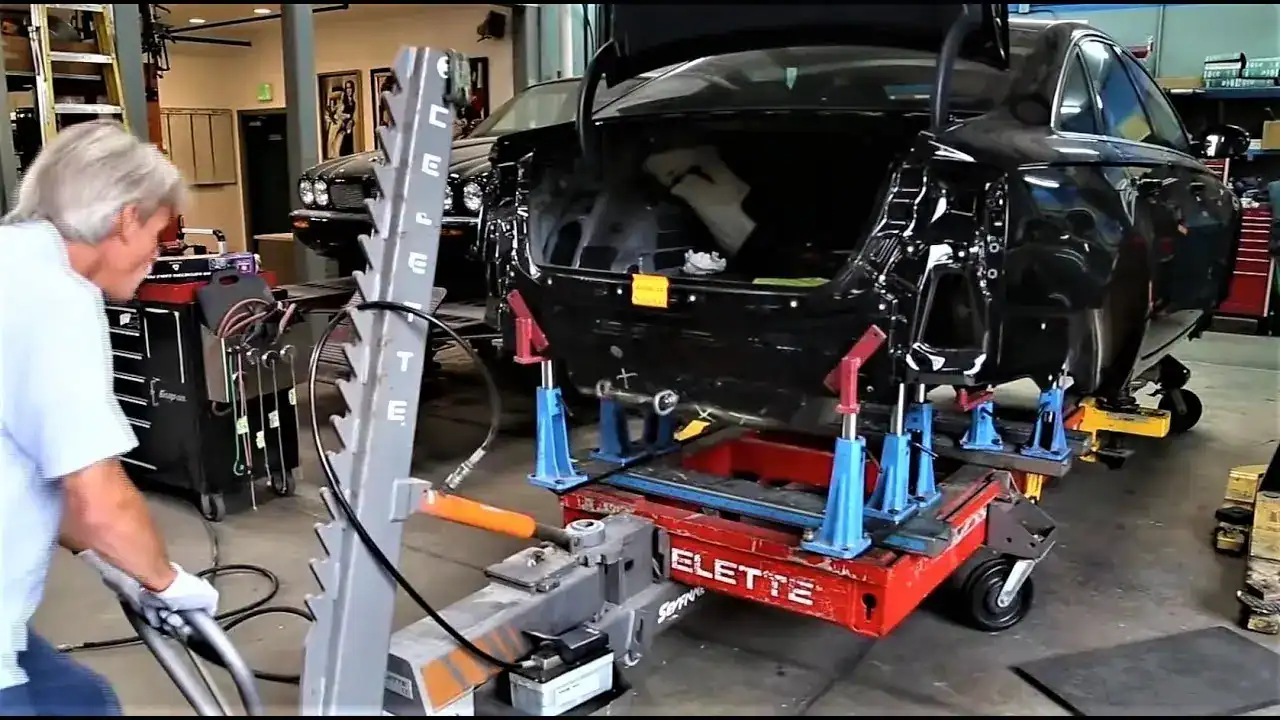
Automotive Repair: Fragmented Responsibility, Concentrated Risk
In the complex world of automotive collision repair, a troubling paradox is emerging: responsibility for quality, safety, and compliance rests almost exclusively on the shoulders of collision repair professionals — the final link in the chain — while critical decisions are largely influenced, even imposed, by other stakeholders with often divergent interests. This unbalanced dynamic highlights a glaring absence of reciprocal responsibility.
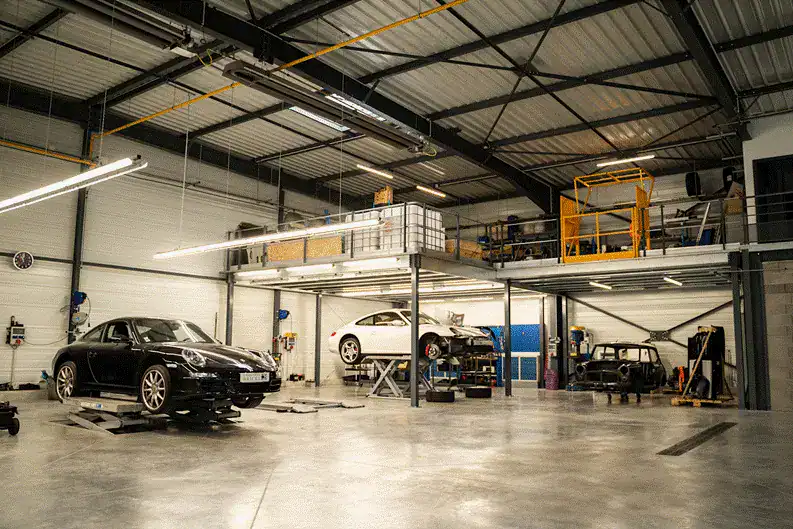
Insurers: The Reign of Lowest Cost
The business model of many insurers systematically favors low-cost repairs, often at the expense of material quality or strict adherence to manufacturer processes. Approved repair networks find themselves under pressure, forced to accept rates that don’t always allow for compliant or profitable repairs. When a collision repair professional opposes these practices for safety or professional ethics reasons, they risk being excluded or disadvantaged in future opportunities.

Manufacturers (OEMs): Between Prescription and Contradiction
Automotive manufacturers, for their part, define repair methodologies that are often disconnected from field reality. Recommended labor times are frequently underestimated, making their economic application unfeasible. Even worse, certain certifications seem more motivated by commercial logic — protecting market share or locking repairs into captive networks — than by safety requirements. In this context, standards become commercial weapons disguised as technical recommendations.
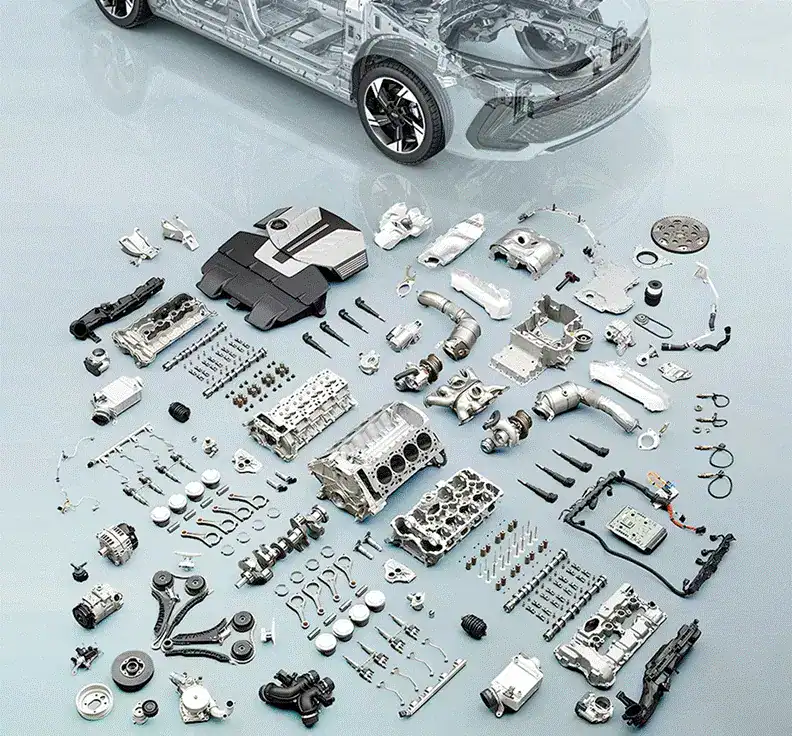
Equipment Manufacturers: The Race for Profitable Tools
Equipment suppliers are not exempt from criticism. Driven by market demand and OEM pressure, they sometimes bring unreliable equipment to market, or equipment calibrated on incomplete, inaccurate, or obsolete databases. The shop, supposed to follow rigorous procedures, finds itself with poorly adapted tools, creating gaps between theoretical repair and actual repair.
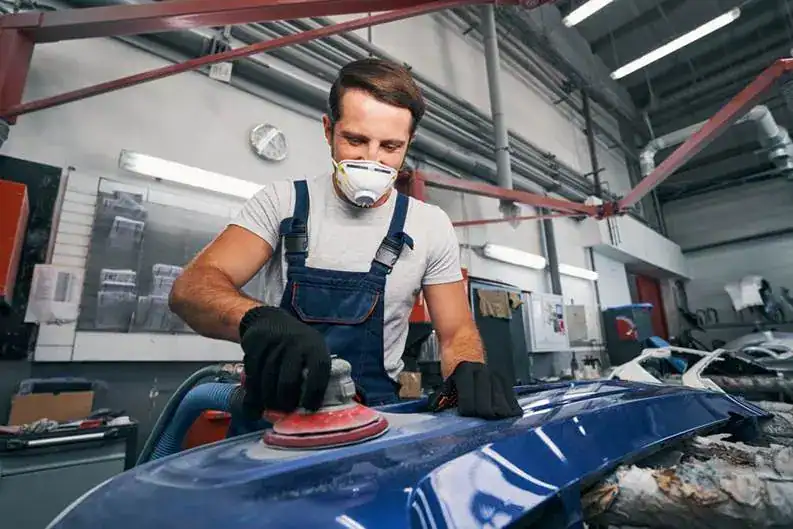
Collision Repair Professionals: Final Safety Guardians
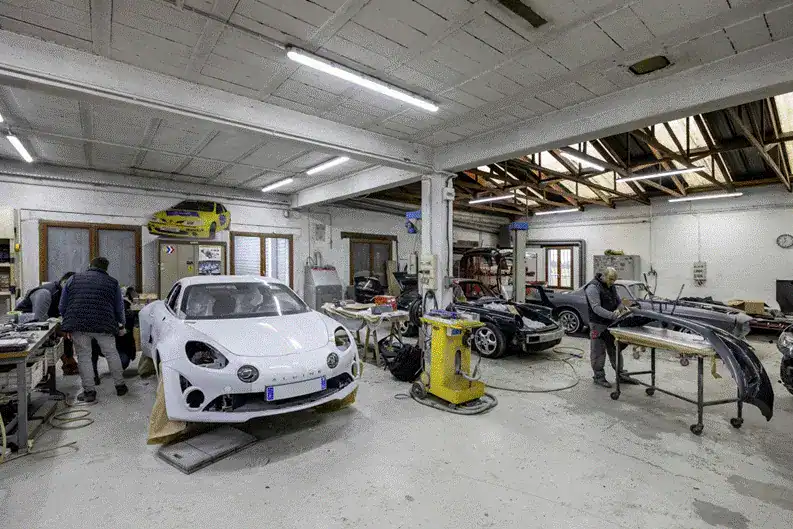
At the end of the chain, it’s the collision repair professional — independent or franchised — who assumes criminal, civil, and moral responsibility. They must deal with high technical requirements, strong economic constraints, contradictory information, and sometimes a lack of support from their partners (or clients). Yet it’s on them that expectations for quality, compliance, traceability, and safety for the end customer rest.
Toward Necessary Rebalancing
The current model is unsustainable. As long as collision repair professionals alone bear the consequences of an ecosystem dominated by short-term profitability, risks to user safety, business sustainability, and customer confidence will continue to grow.
Structural change is essential:
- Insurers must assume their role as co-responsible parties by guaranteeing compensation levels consistent with quality and safety requirements.
- OEMs must review their certification and repair prescription policies, basing them on safety, transparency, feasibility, and general interest — not only on profitability or personnal strategies.
- Equipment manufacturers must guarantee the reliability of their tools and accuracy of their data, while involving field professionals more in their development.
- Collision repair professionals, finally, must be recognized not as simple executors, but as legitimate technical experts at the heart of the responsible repair process.
Conclusion
Responsibility in the collision repair sector can no longer be one-way. If all stakeholders want to avoid the collapse of confidence in the system, a moral and operational contract based on shared responsibility is essential. The safety of motorists, the survival of a profession, and the future of the sector itself depend on it.
What do you think? Share your experience in the comments. How do you perceive these responsibility issues in your daily activity?
#AutomotiveRepair #CollisionRepair #Celette #SharedResponsibility #AutomotiveInnovation #RoadSafetyA modern, professional automotive body repair workshop showing cars at different repair stages.




