
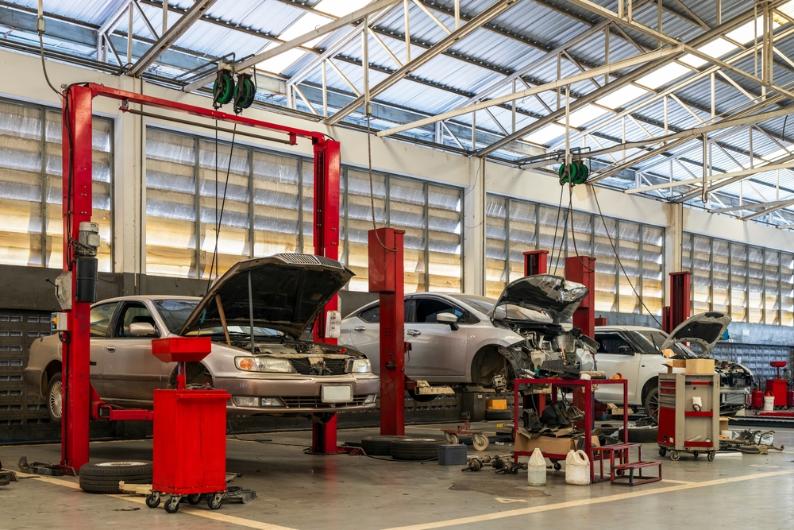
Any shop that’s been operating long enough has a jig problem. Issues might surface as dedicated fixtures for models that may or may not come through the door, expensive replacement sets for new platforms, and the floor space commitment that comes with maintaining a model-by-model inventory add up quickly.
In contrast, a universal jig system offers flexibility and a direct reduction in capital tied up in tooling. It reduces storage overhead and provides a single platform that covers vehicles the shop hasn’t bought dedicated fixtures for yet.
Here’s what to know about how these systems work structurally, where they save money compared to dedicated setups, workflow and accuracy considerations, and how to evaluate the right system for a mixed-brand collision center.
What a Universal Jig System Actually Does
Instead of model-specific fixture sets that locate OEM reference points for one vehicle, a universal jig system uses adjustable, modular components positioned using OEM CAD coordinate data. Technicians configure the fixtures for each vehicle through software-guided layouts, not by swapping pre-built kits in and out of storage.
The 1mm modularity principle is what makes this work. Adjustability across X, Y, and Z axes lets the system match OEM specifications for any supported vehicle. In practice, “universal” covers current production vehicles, older models with legacy data available, and future vehicles as OEM data is added to the cloud database.
But there’s an important distinction to keep in mind. An automotive frame jig locates and holds the vehicle at structural reference points, while the frame machine provides the platform, anchoring, and pulling capability. The two work together, but they’re not the same tool.
Where Dedicated Jigs Create Hidden Overhead
Dedicated jigs create an accumulation problem.
- Large inventories. Body shops buying dedicated fixture sets per OEM program end up with multiple platforms, most of which sits idle between relevant vehicles.
- Storage cost. Owning several jig racks consumes floor space, which presents a tangible, physical cost in the shop through the need for shelving investment and the risk of damage to idle fixtures.
- New model exposure. The other quiet cost. Each new platform or generation typically requires new dedicated fixtures, which is an ongoing capital commitment rather than a one-time purchase.
- Inventory management. As new car models are released, the number of sets need to match grows as well. This adds friction in managing inventory, tracking which kits are current, which are superseded, and which compatible vehicles are still in regular repair volume.
For multi-brand shops, the problem compounds. Each OEM program’s dedicated fixtures serve a narrower slice of the vehicle mix, so the ratio of stored-to-used tooling gets worse over time.
How Universal Jigs Reduce Storage and Tooling Costs
Compared to dedicated jigs, the flexibility offered by universal jigs allows for consolidation. One modular platform replaces many dedicated sets for shops servicing mixed brands and multiple model generations. From there, space reclaimed from jig storage becomes usable bay space, which directly affects throughput capacity for revenue work.
Moreover, no new fixture purchases are required for new models, as OEM data updates extend coverage without additional hardware. Some operations also use universal jig systems to reduce reliance on jig rental programs, which add per-job costs and availability constraints during peak periods.
Lifecycle economics work in the shop’s favor as well. If modular components on a universal jig are damaged, they can be individually replaced rather than requiring replacement of entire dedicated kits.
Accuracy and OEM Compliance with Universal Systems
One concern comes up regularly: are universal systems less accurate than dedicated jigs? This is a setup and data quality issue, not a design limitation. With 1mm modularity and cloud-based OEM 3D CAD data, universal systems achieve repair accuracy equivalent to dedicated fixtures when correctly configured.
Positioning verification works differently than technicians used to steel-era workflows might expect. For example, the Cameleon universal jig doesn’t rely on external 3D measurement systems to confirm positioning during setup, but is rather configured from the 3D software directly, and the software layout is the reference. That’s a workflow simplification worth understanding when evaluating systems.
OEM approval and certified program eligibility are the other side of accuracy. Several major manufacturers accept universal jig systems in their certified repair networks when the system meets their accuracy and data standards.
Even so, dedicated jigs still have their place. Very high volume OEM program shops may retain dedicated fixtures for their primary brand to minimize per-vehicle setup time.
Universal Jig Workflow in a Mixed-Brand Shop
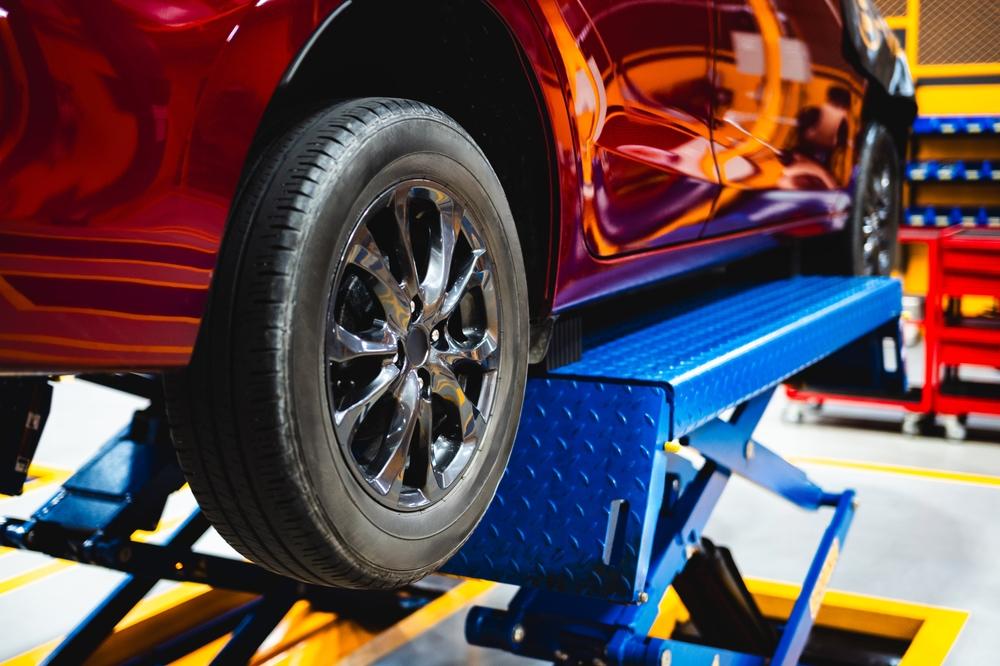
The setup sequence is simple. A technician accesses vehicle data in cloud software, builds the fixture layout from the guided visual interface, assembles on the bench, and confirms positioning before repair begins. Changeover time between different vehicle models is one of the practical advantages over building dedicated kits from scratch for each job.
Universal car body repair jigs also interact with frame benches, measuring systems, and pulling equipment as part of a complete structural repair workflow. The software component generates pre- and post-repair reports for insurance approval and customer transparency across the process.
Training-wise, technicians do need to learn the software interface and fixture assembly, but the guided workflows shorten the learning curve compared to building custom setups from scratch on every job.
Evaluating Universal Jig Systems for Your Shop
Universal jig systems can vary greatly, so key evaluation criteria include:
- Kit scalability from entry-level through premium
- Breadth of the vehicle database
- Bench and measuring system compatibility
- OEM approval credentials
- Available training and support
However, one caution worth flagging is that systems without a current OEM data subscription lose coverage on new models quickly. Verify update frequency and database scope before committing to any platform.
Find Your Ideal Fixture Strategy for Body Repair
A universal jig system addresses a real structural inefficiency in mixed-brand collision repair, namely the accumulating cost of dedicated fixture inventories, the storage they consume, and the ongoing capital cost that comes with each new vehicle platform. With the right setup, universal systems deliver OEM-level accuracy through modular hardware and current data without needing to accumulate dedicated fixtures.
At Celette, Cameleon is the universal jig system body repair professionals use as a modular platform, driven by cloud-based 3D software with OEM CAD coordinate access. Our Cameleon car collision repair jig system combines 1mm-precise modular hardware with scalable Entry, Plus, and Premium kit tiers. The system is fully compatible with Celette benches, crossmembers, towers, and NAJA electronic measuring systems, so there’s no compatibility friction for shops already in the Celette ecosystem, all backed with ongoing technician training, software updates, and support.
Learn more about the Cameleon range of automotive frame jig solutions at Celette today. Contact us at [email protected] to arrange a demonstration or discuss your shop’s current setup.
References:
SAE J2911: Procedure for Automotive Structural Component Analysis. Retrieved July 14, 2026, from https://www.sae.org/standards/content/j2911_201804/
Frequently Asked Questions About Universal Jig Systems
Q: Can a universal jig system fully replace dedicated automotive frame jigs?
A: For mixed-brand collision repair shops, a universal jig system can replace many dedicated frame jigs while still meeting OEM accuracy standards. Very high-volume OEM-only shops may keep a few dedicated systems for setup speed on their primary brand.
Q: How does a universal jig system reduce tooling inventory?
A: Instead of storing dozens of model-specific jigs and clamps, a modular universal jig system uses interchangeable fixtures and reference points that reconfigure for any vehicle in the database. That cuts the number of unique tooling sets a shop needs to buy, store, and track.
Q: Do universal auto body jigs require more technician training than fixed jigs?
A: Universal systems require learning the software interface and modular setup process, but OEM-certified systems like Celette’s Cameleon provide guided workflows. In practice, technicians reach proficiency faster than they would building custom solutions for each vehicle from scratch.
Q: How quickly does a universal jig system pay for itself?
A: Many collision shops recoup the investment within a few years by avoiding the cost of buying or renting multiple dedicated jigs, reducing storage-related expenses, and improving throughput thanks to faster setup between vehicles.




