
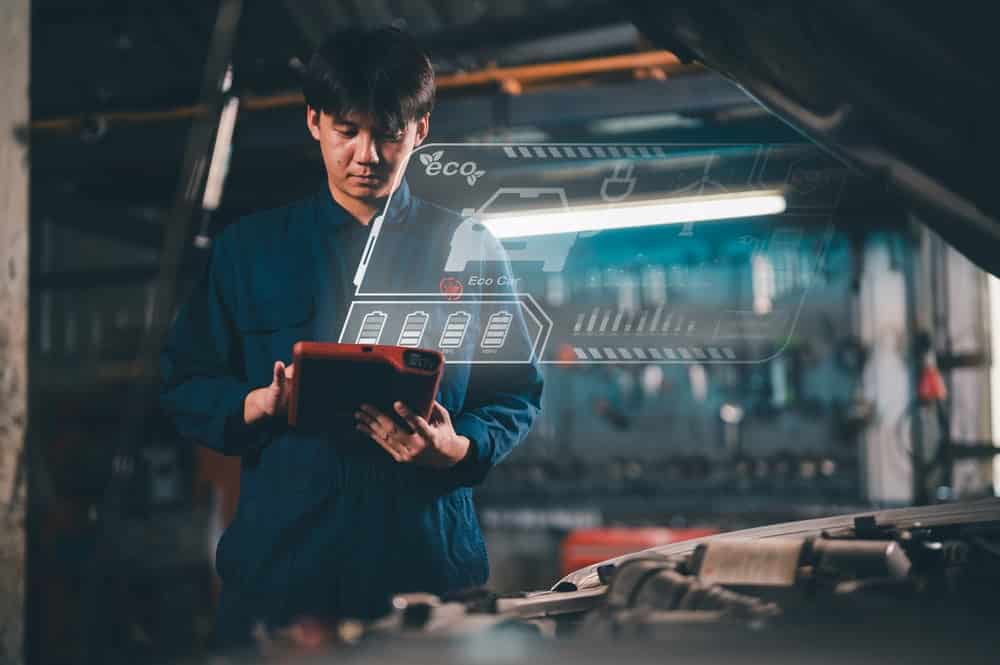
A decade ago, structural repairs were largely manageable by a skilled technician using a tape measure and a good eye. Modern vehicle repair is challenging because of the precision required for materials, electronics, and simulated crash structures.
Three pillars are reshaping how collision shops plan, execute, and verify structural repairs: OEM repair data for collision procedures, vehicle dimension databases, and digital collision repair tools (including AI-assisted platforms).
In this piece, we’ll explain what each one is, why they matter, and how they work together as they become increasingly relevant in modern vehicle repair operations.
OEM Repair Data: The Manufacturer’s Playbook
What Is OEM Repair Data?
OEM repair data collision procedures are official, manufacturer-issued instructions for repairing a specific vehicle after an accident. They cover structural sectioning points, welding methods and sequences, approved materials and adhesives, fastener specifications, and ADAS calibration requirements.
These instructions are model-specific and sometimes model-year-specific. For instance, a 2026 procedure may differ from a 2024 one for the same nameplate.
Why OEM Data Matters More Than Ever
Advanced materials like ultra-high-strength steels, carbon fiber, and aluminum, along with mixed-material joints, are common in modern vehicles. Repairing different materials comes with distinct constraints, as some panels are salvageable through straightening, others necessitate complete replacement, and certain welding procedures demand strict adherence to heat restrictions. OEM data defines these boundaries, and without it, a technician risks weakening a structural member or voiding a manufacturer’s warranty.
OEM procedures also dictate when ADAS calibration is required after specific repairs. Insurers and OEM certification programs increasingly require documented adherence to these procedures, and following OEM procedures is the only way to have confidence that a repaired vehicle will perform as intended.
Where Shops Access OEM Data
Manufacturers publish procedures through their own portals (Toyota TIS, Honda ServiceExpress, BMW ISTA, among others). There are also aggregated platforms like Mitchell TechAdvisor and AllData that compile data across multiple brands.
Some newer platforms go a step further by integrating OEM procedures directly into the estimating and measuring workflow, reducing the need to toggle between systems.
Vehicle Dimension Databases: The Reference Standard
What Is a Vehicle Dimension Database?
A vehicle dimension database is a digital library of factory-defined measurements for thousands of vehicle models. It contains underbody, unibody, and upper-body reference points, including hole positions, rail widths, pillar locations, diagonal measurements, and centerline offsets.
These measurements represent the vehicle as it left the factory, and are also the “target” that a damaged structure needs to be restored to.
How Shops Use Dimension Data
When paired with electronic measuring systems, dimensional data lets technicians compare a damaged vehicle’s actual geometry against factory specs. Deviations show exactly where and how far the structure has moved, turning structural diagnosis into verifiable data.
Post-repair, the same comparison confirms that pulling and straightening brought the vehicle back within tolerance. At the same time, this comparison generates documentation that serves as proof for insurers, OEM programs, and the vehicle owner.
Why Accuracy Is Non-Negotiable
A vehicle dimension database that’s outdated or incomplete leaves gaps, especially for newer models or regional variants. Shops that rely on generic measurements risk under- or over-correcting structural points. The best databases update continuously, covering new models as they enter the market and providing full coverage across manufacturers.
Digital Collision Repair: Where It All Comes Together
From Paper Manuals to Connected Workflows
The shift from printed repair manuals and standalone measuring tools to integrated digital platforms has been significant. Modern digital collision repair workflows connect OEM data, dimension databases, measuring hardware, and reporting into a single ecosystem.
Instead of manually cross-referencing spec sheets, technicians now access procedures, measure the vehicle, plan corrections, execute repairs, and generate documentation from a single interface or a connected set of tools.
3D Measuring and Cloud Platforms
Electronic 3D measuring systems capture structural data and compare it against cloud-hosted dimension databases. Cloud connectivity ensures the measurement database is always up to date, with no manual software updates or outdated local files.
Reports with 3D visuals can be generated and shared digitally with insurers, fleet managers, or OEM program auditors, creating a traceable record from start to finish.
AI-Assisted Repair Planning
This is the frontier. An AI auto repair database platform takes the concept further by using vehicle data, bench specifications, and OEM parameters to automate parts of the repair planning process.
Celette’s AI WebTools platform is a working example. It can propose jig placements and setup configurations in milliseconds based on the specific vehicle and damage profile, which is a big step up as this work previously required significant manual lookup and experience. The platform generates 3D visuals and reports, and can even translate setups for non-Celette bench systems.
For shops handling a diverse vehicle mix (common in the United States and the broader Asia-Pacific market), this kind of tool reduces setup time and minimizes the risk of incorrect fixture placement during structural pulls.
How These Three Pillars Work Together
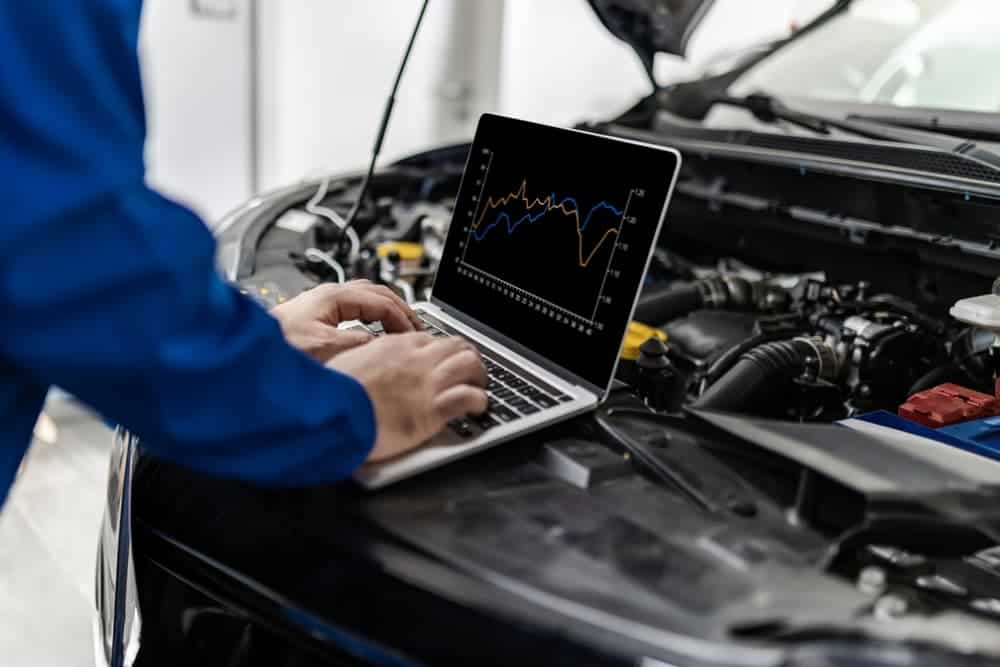
Think of it as a chain where each link serves a distinct function:
- OEM repair data tells the technician what to do and how, including the procedures, materials, and sequence.
- The vehicle dimension database tells them what the target looks like and the exact geometry to restore it to.
- Digital tools (measuring systems, cloud platforms, AI planning) give them the means to execute, verify, and document the work.
When all three are connected, the result is a repair workflow that’s faster, more accurate, and fully traceable. That matters for safety, for insurance documentation, and for shop credibility with both customers and OEM certification programs.
Shops that lack one of these pillars are working with blind spots:
- Missing OEM data: A shop with great equipment but no access to current OEM procedures might repair a panel using a method the manufacturer has explicitly prohibited. The structural integrity is compromised, and warranty coverage is voided.
- Outdated dimension data: OEM procedures followed perfectly, but a rail might get pulled to the wrong target because the database hasn’t been updated for that model year.
- No digital tools to connect them: Both data sources are available, but the lack of integration slows the shop, reduces consistency, and makes it less capable of producing the documentation that insurers and certification programs increasingly demand.
Each gap creates risk. Shops that integrate all three pillars are positioned for accuracy, traceability, and the direction the industry is heading.
Stay on Top of the Data-Driven Future of Collision Repair
Collision repair is becoming a data-driven discipline. For shops that want to repair vehicles safely and stay competitive, OEM repair data for collision procedures, vehicle dimension databases, and digital collision repair tools are now a baseline necessity. While AI’s integration into this workflow is still relatively new, it’s already reducing setup time and improving consistency for shops that adopt it early.
Celette’s AI auto repair database platform (AI WebTools) brings OEM data, vehicle dimensions, and AI-assisted repair planning into one connected system, purpose-built for collision repair professionals.
Explore how it works, or contact us to schedule a demonstration at our worldwide training center.
Frequently Asked Questions About OEM Repair Data and Digital Collision Repair
Q1: What is OEM repair data, and why does it matter in collision repair?
OEM repair data consists of manufacturer-issued procedures that specify exactly how a particular vehicle should be repaired after a collision. It covers structural sectioning, welding methods, approved materials, and ADAS calibration requirements. Following these procedures is essential because modern vehicles use advanced materials and integrated electronics that require model-specific repair methods to maintain structural integrity and safety.
Q2: What is a vehicle dimension database?
A vehicle dimension database is a digital library of factory-defined structural measurements for thousands of vehicle models. It includes reference points like rail widths, pillar locations, hole positions, and centerline offsets. Technicians use this data alongside electronic measuring systems to compare a damaged vehicle’s geometry against factory specs, diagnose structural deviations, and verify that repairs restore the vehicle to OEM tolerances.
Q3: How is AI being used in collision repair today?
AI-powered platforms are being used to automate parts of the repair planning process. For example, AI can analyze vehicle data and bench specifications to propose jig placements and setup configurations in milliseconds, reducing manual lookup time and the risk of incorrect fixture positioning. Cloud-based platforms also keep dimension databases continuously updated and generate digital documentation for insurers and OEM certification programs.
Q4: Do shops need all three (OEM data, dimension data, and digital tools) to repair vehicles properly?
Each pillar serves a distinct function. OEM data tells the technician what to do and how. Dimension data provides the structural target. Digital tools provide the means to execute, verify, and document the work. A shop missing any one of these is working with blind spots that can lead to incorrect repairs, failed certifications, or liability exposure. Integrating all three creates a workflow that’s accurate, traceable, and aligned with where the industry is heading.
References:
- Get Started with AI in Your Shop Today: Practical Steps for Collision Repair. Retrieved 25 March 2026 from https://www.autobodynews.com/news/get-started-with-ai-in-your-shop-today-practical-steps-for-collision-repair




