Reducing Collision Repair Cycle Time With Better Equipment

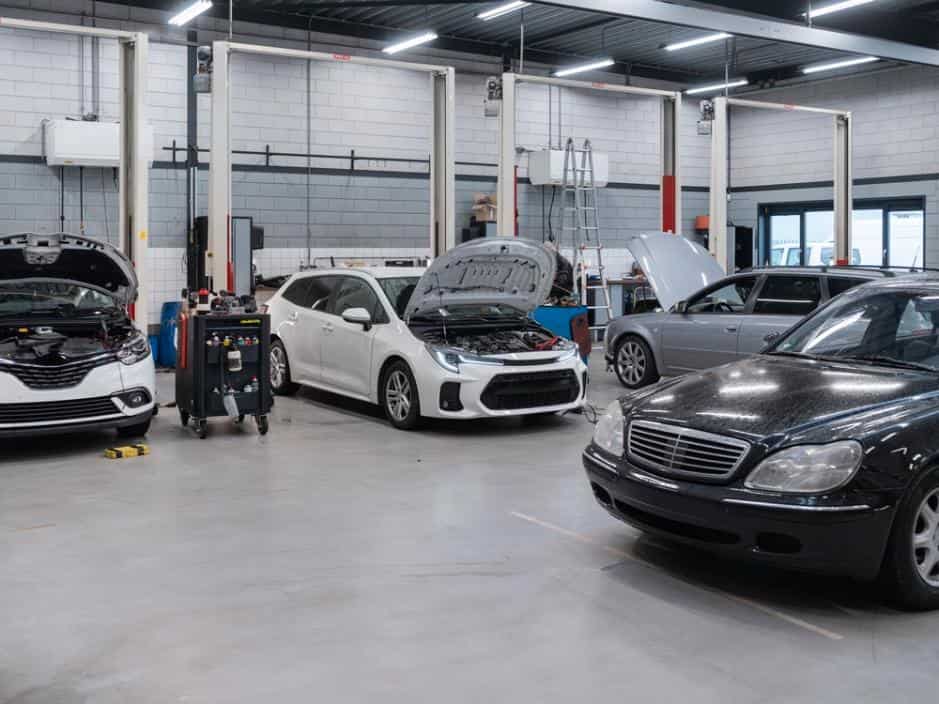
Busy body shop floor showing how workshop capacity affects collision repair cycle time

Key Takeaways:

  • Collision repair cycle time covers the full process from drop-off to delivery, not just the hours a technician spends working on the vehicle.
  • Damage severity, parts sourcing, and repair planning all shape a collision repair timeline, but outdated equipment is a bottleneck shops can actually control.
  • Most lost time comes from waiting for bays, moving vehicles between workstations, re-measuring, and rework caused by inaccurate alignment.
  • Faster setup and consistent measurements improve first-time repair accuracy, which does more for cycle time than any single shortcut.
  • Faster repairs should never come at the cost of OEM repair standards or documented quality checks.
  • A mobile auto repair bench gives shops the flexibility to repair vehicles wherever space is available, cutting unnecessary movement between stations.

How long do collision repairs take and what impacts the collision repair cycle time? Repair times depend on the extent of vehicle damage, the availability of parts, and how complex the repairs are. However, utilizing the proper equipment and an efficient workflow can speed up the process without compromising quality.

Lets follow the collision repair timeline and how modern shop equipment helps move every stage along faster, from the first estimate to the final delivery.

Table of Contents

What Is Collision Repair Cycle Time?

Cycle time is the total elapsed time from vehicle drop-off to delivery, covering estimating, parts, repair, paint, and final inspection. It differs from repair time and touch time, which only count the hours a technician actually spends working on the vehicle. A car can sit in the shop for two weeks with only a few days of actual hands-on work, and that gap between touch time and total cycle time is usually where the real cost sits.

Repair cycle time is important as it affects nearly everyone involved. Businesses gauge it based on throughput and labor expenses, as a prolonged unoccupied bay prevents the next vehicle from entering. It is used by insurers for estimating rental coverage and claim expenses. Losing customer trust happens quickly when they face lengthy, uncertain waits for their cars.

What Affects Collision Repair Timelines?

Severity of vehicle damage

Cosmetic repairs like panel and paint work move faster than structural repairs, which need measurement, pulling, and verification before assembly can begin. A vehicle with hidden structural damage often takes longer than its initial appearance suggests.

Parts sourcing and availability

OEM parts usually take longer to arrive than aftermarket alternatives, and supply chain delays can stall a repair that is otherwise ready to move forward. Backordered parts are one of the most common reasons a repair stretches past its original estimate.

Repair planning and scheduling

An accurate initial estimate and clear technician scheduling keep a repair moving in sequence, instead of waiting on decisions that could have been made upfront. Poor coordination between departments adds idle time even when every individual step goes smoothly.

Workshop equipment and workflow

Outdated or fixed equipment creates bottlenecks of its own. A single frame bay that every structural repair has to pass through will slow the whole shop down, regardless of how skilled the technicians are.

Where Body Shops Lose the Most Time

A few points in the process tend to account for most of the delay.

  • Waiting for a repair bay to open up
  • Moving vehicles between workstations more than necessary
  • Re-measuring structural repairs multiple times
  • Rework caused by inaccurate alignment

How Modern Shop Equipment Reduces Cycle Time

Mobile repair benches improve workshop flexibility

A mobile bench lets technicians repair a vehicle wherever space is available instead of waiting for one fixed bay, cutting unnecessary vehicle movement and improving how a shop uses its floor space overall.

Faster setup means technicians spend more time repairing

Quick anchoring and simplified positioning shrink the setup phase of a repair, so more of a technician’s shift goes toward the pull and correction itself rather than getting the vehicle ready.

Accurate structural repairs reduce rework

Consistent measurements at each stage improve first-time repair accuracy, which matters more for cycle time than almost anything else. A repair done right the first time never has to be redone.

Why Mobile Auto Repair Benches Are Becoming More Popular

Mobile benches adapt to changing workloads, which suits shops handling a mix of light and structural repairs on any given day. They support high-volume repair environments, work across a wide range of vehicle types, and improve workshop efficiency without requiring a major layout change.

The Celette Sevenne mobile auto repair bench is one example of this approach. Mounted on wheels, it can be positioned under a lift or moved between work bays as needed, while still supporting the anchoring and measuring accuracy that structural repairs require.
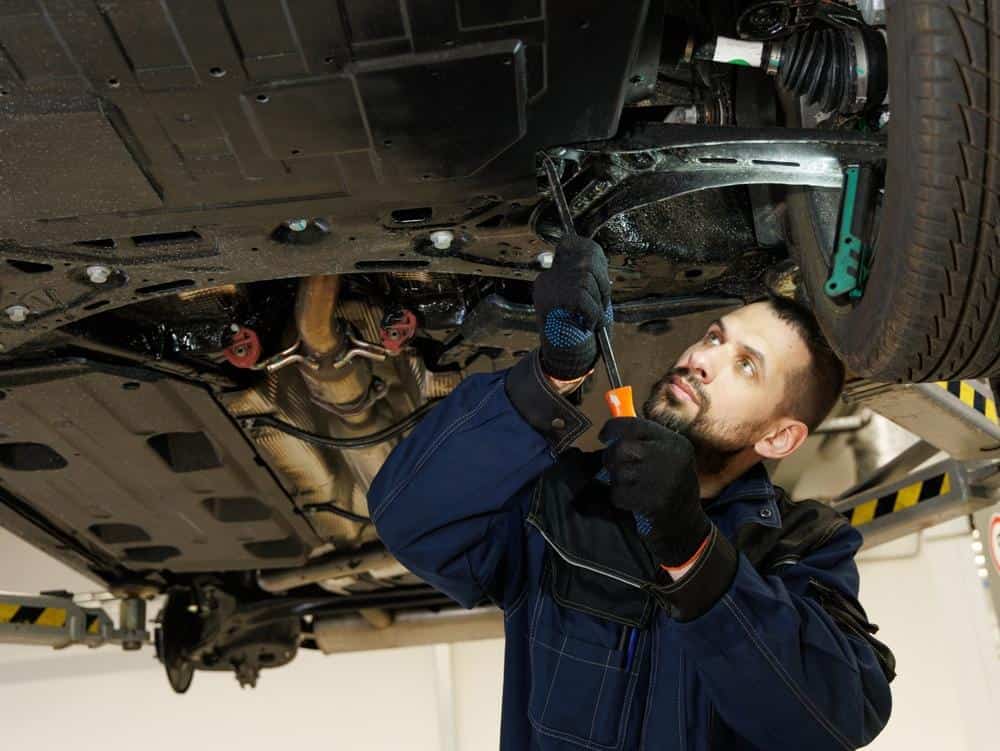
Technician verifying structural repair accuracy to reduce collision repair cycle time

Best Practices for Improving Collision Repair Cycle Time

A few habits consistently show up in shops that keep cycle time under control.

  • Standardise repair workflows so every technician follows the same sequence
  • Complete structural measurements early, before assumptions get built into the repair plan
  • Organise parts before repairs begin rather than mid-repair
  • Minimise vehicle movement between stations
  • Invest in technician training so equipment gets used to its full capability
  • Choose equipment that supports efficient repairs without cutting into repair quality

Balancing Speed With Repair Quality

Speed doesn’t equate to skipped steps, and any reduction in cycle time that compromises OEM repair standards is ultimately no improvement at all. Throughout the entire process, measurement and verification tools are essential, not just at the conclusion, to ensure speed doesn’t compromise accuracy.

Consistent quality ultimately builds customer trust. A shop that excels at quick, accurate repairs builds customer loyalty and attracts new clients through recommendations. A shop that does repairs quickly and carelessly gets repeat business and complaints, costing more time than the quick fix saved.

Turning Faster Repairs Into a Repeatable Process

Reducing collision repair cycle time is about improving the entire repair process rather than rushing individual tasks. Efficient planning, streamlined workflows, and modern equipment help body shops complete repairs more consistently while maintaining the quality and safety today’s vehicles demand.

A mobile auto repair bench like the Celette Sevenne offers a practical way to increase productivity, reduce downtime, and keep vehicles moving through the workshop without compromising repair quality.

References:

  1. Automotive Body and Related Repairers. Retrieved August, 2026, from https://www.bls.gov/ooh/installation-maintenance-and-repair/automotive-body-and-related-repairers.htm
  2. Occupational Safety and Health Standards for Automotive Repair. Retrieved August, 2026, from https://www.osha.gov/autobody
Frequently Asked Questions About Collision Repair Cycle Time

Q: How long do collision repairs usually take?

A: Simple repairs can take a few days, while repairs involving structural work, parts backorders, or insurance approval can take several weeks. The exact number depends on damage severity, parts availability, and how the shop schedules the work.

Q: What is collision repair cycle time?

A: It is the total time a vehicle spends in the shop, from drop-off to delivery, including estimating, parts, repair, paint, and final inspection, not just the hours a technician spends actively working on it.

Q: What causes delays in collision repairs?

A: The most common causes are parts delays, incomplete initial estimates, waiting for available repair bays, and rework caused by measurements that were not accurate the first time.

Q: How can body shops reduce repair cycle time?

A: Standardising workflows, completing structural measurements early, organising parts before repairs begin, and using flexible equipment like mobile repair benches all help keep repairs moving without cutting quality.

Q: What are the benefits of a mobile auto repair bench?

A: A mobile auto repair bench lets shops repair vehicles wherever space allows instead of waiting for one fixed bay, which reduces vehicle movement and improves how efficiently the workshop runs overall.

Post Related

Busy body shop floor showing how workshop capacity affects collision repair cycle time

Reducing Collision Repair Cycle Time With Better Equipment

Key Takeaways: Collision repair cycle time covers the full process from drop-off to delivery, not just the hours a technician spends working on the vehicle. Damage severity, parts sourcing, and repair planning all shape a collision repair timeline, but outdated equipment is a bottleneck shops can actually control. Most lost time comes from waiting for […]

Read More

Two technicians inspecting vehicle structure at a body shop with I-CAR certification

I-CAR Certification: What Body Shops Need to Know

Key Takeaways: I-CAR certification is a collision-specific training and credentialing framework, not general automotive education. Certification covers role-specific tracks including structural repair, non-structural repair, estimating, refinishing, and damage analysis. Costs vary based on number of technicians, course level, and format. Start with core roles, then expand. Online training is self-paced and accessible from anywhere, making […]

Read More

A car on the body shop floor. A used frame straightening bench is viable, provided it meets requirements.

Buying Used vs New Frame Machines: What Shops Should Know

Key Takeaways Purchasing a used frame machine for sale can genuinely lower upfront cost, but only when the hydraulics, structure, and measuring system all check out under real inspection. Marketplace listings vary widely in price and completeness, so the sticker alone tells a buyer almost nothing about what they’re actually getting. A proper pre-purchase check […]

Read More

Technician using a digital tablet during a body shop quality control checklist review

A Comprehensive Auto Body Shop Quality Control Checklist

Key Takeaways: A complete auto body quality control checklist covers every stage of a repair, not just the walkaround before delivery. Quality control starts before repairs begin, with documented vehicle condition, a verified repair plan, and a baseline structural measurement. Structural, mechanical, paint, and assembly checks each need their own checkpoints throughout the repair, not […]

Read More