

Floor space is a premium asset in any collision repair shop, and every square foot tied up in fixed equipment is a square foot unavailable for other work. A mobile auto frame bench delivers full structural repair capability without permanently claiming a dedicated bay, giving shops the flexibility to adapt their layout as workload shifts.
This guide covers the core benefits of mobile auto frame bench systems, what to evaluate before purchasing, and how this equipment can improve your daily operations.
The Core Benefits of Mobile Auto Frame Bench Systems
Flexibility is the main benefit of a mobile bench. The systems are adaptable; they can be moved between bays, positioned under a two-post lift for vehicle loading, and stored aside when structural work is less active. Without concrete work or permanent installation, any open bay can serve as a straightening area.
Scalability is another consideration. Celette’s Sevenne is an example of a mobile bench designed by manufacturers to integrate into larger systems, allowing for upgrades to Rhone or Griffon configurations as repair volume increases. This safeguards the initial investment and allows for future growth as workloads evolve.
In terms of functionality, this bench is equipped to handle everything from minor cosmetic pulls on fender supports to moderate structural corrections on unibody rails. One bench is enough for shops to accept diverse jobs, avoiding dedicated gear for every repair.
What to Look for in a Mobile Auto Frame Bench
When evaluating options, here is what to look for in a mobile auto frame bench before committing capital.
Build Quality and Load Capacity
What separates professional equipment from a budget alternative is its frame rigidity under pulling force. A maximum 10 Ton pulling capacity covers most passenger vehicles, SUVs and light commercial work. Heavy-duty steel construction ensures the bench holds position during aggressive pulls without flexing or shifting.
Anchoring and Clamping Versatility
The best mobile benches offer 360° peripheral anchoring, which allows technicians to secure vehicles and position pulling equipment from any angle. Compatibility with universal jig systems like Celette’s Cameleon expands the bench’s usefulness across different vehicle platforms, and quick-setup clamps can significantly reduce anchoring time.
Upgrade Path
Consider whether the bench can grow with your shop. Can it accept dedicated jigs for high-volume platforms? Does it integrate with overhead gantry systems for upper body work? A bench that dead-ends at its current capability will limit long-term return on investment.
Essential Features of Quality Mobile Benches
Beyond the evaluation criteria above, certain essential features of quality mobile benches distinguish professional-grade equipment from the rest:
- Stability: Requires robust wheel systems with brakes that lock the bench in place, yet release easily for repositioning.
- Integrated Lifts: Some systems include scissor lifts to raise vehicles to ergonomic heights and enable drive-on loading.
- Universal Peripheral Frames: Allows technicians to secure vehicles from any angle without repositioning the entire bench.
- OEM Approval: Benches recognized by automakers position shops for network participation and warranty work.
- Support & Training: Manufacturer-backed programs ensure technicians maximize accuracy and safety.
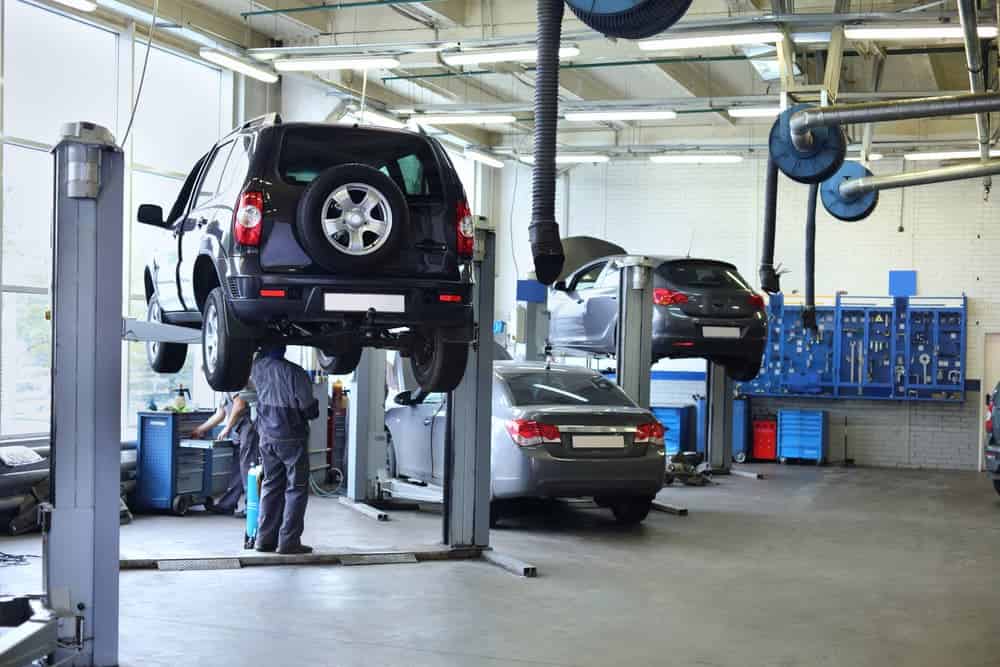
How Mobile Frame Benches Benefit Auto Shops
Understanding how mobile frame benches benefit auto shops comes down to operational impact.
Faster setup and vehicle loading directly reduce cycle times, which means more jobs completed per week without adding bays or staff. Bay utilization improves as well since no dedicated straightening area sits idle between structural jobs; the equipment simply moves to wherever the work is.
From a cost perspective, mobile benches typically carry lower price tags than fixed drive-on systems while still delivering OEM-grade accuracy. Furthermore, as Advanced Driver Assistance Systems (ADAS)-equipped vehicles now dominate the landscape, structural accuracy is paramount to whether sensor calibrations succeed.
Trust Celette for Your Frame Machine Needs
The right mobile auto frame bench balances flexibility and precision while aiding to a company’s growth potential. Celette has spent over 70 years building direct partnerships with automakers and engineering equipment that scales with shop needs.
Contact Celette today to discuss which auto body frame machines can enhance your operation at scale.
Mobile Frame Bench FAQs
What is a mobile auto frame bench used for?
It is used for structural straightening and frame repairs while allowing the equipment to be moved between bays or stored when not in use.
How does a mobile frame bench save shop space?
It does not require permanent installation, freeing floor space for other repair work when structural jobs are not scheduled.
Are mobile frame benches accurate enough for OEM repairs?
Yes, when paired with Celette jig systems and OEM dimension databases, they meet manufacturer accuracy requirements.
What pulling capacity should a mobile auto frame bench have?
A 10-ton pulling capacity is recommended for most passenger vehicles and light commercial work.




