A Comprehensive Auto Body Shop Quality Control Checklist

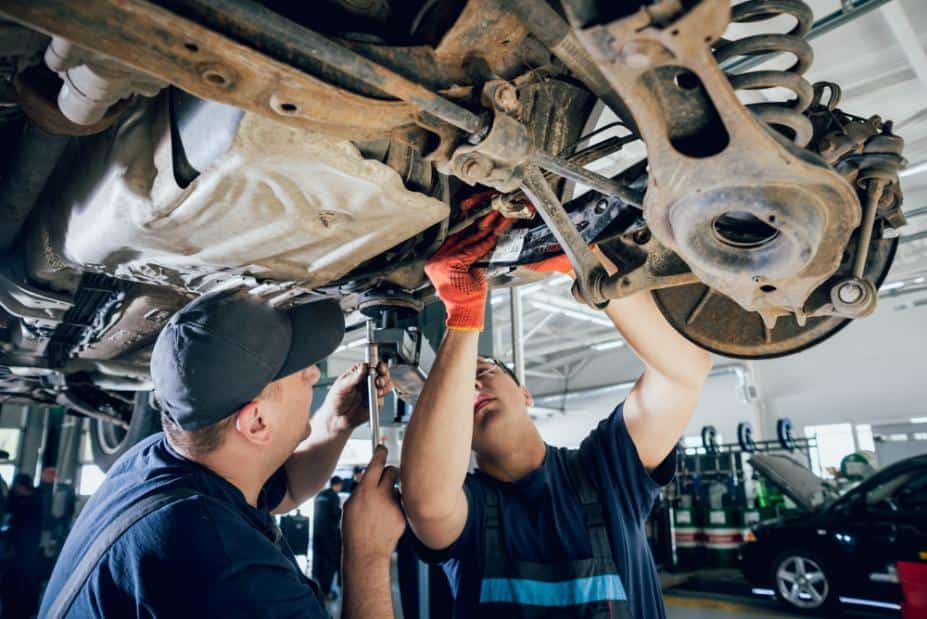
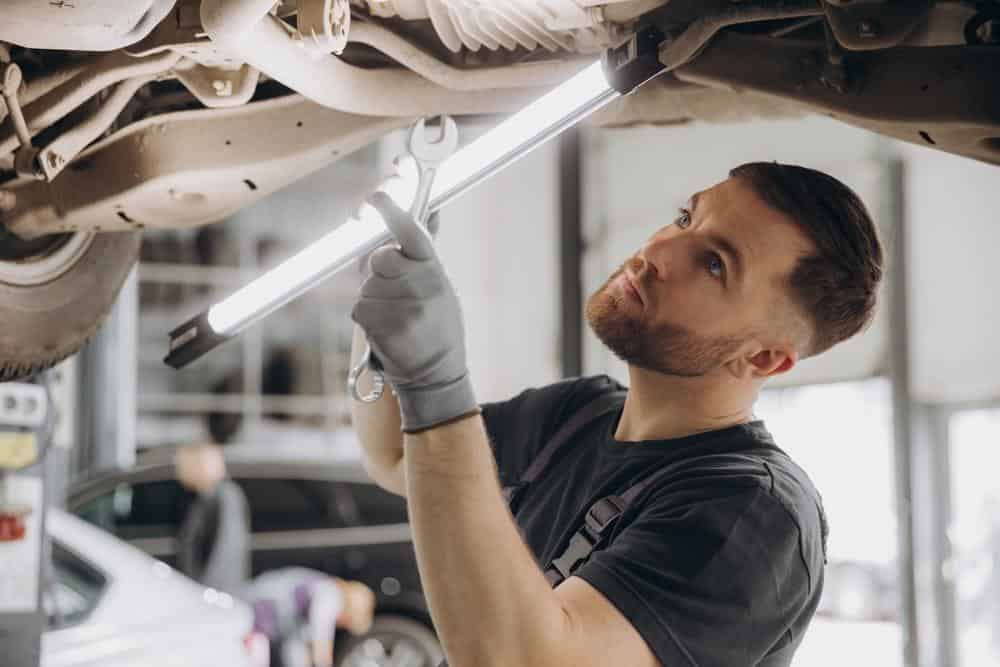
Technician using a digital tablet during a body shop quality control checklist review

Key Takeaways:

  • A complete auto body quality control checklist covers every stage of a repair, not just the walkaround before delivery.
  • Quality control starts before repairs begin, with documented vehicle condition, a verified repair plan, and a baseline structural measurement.
  • Structural, mechanical, paint, and assembly checks each need their own checkpoints throughout the repair, not a single inspection at the end.
  • Final delivery checks should confirm structural accuracy, panel and paint quality, ADAS calibration where applicable, and complete documentation.
  • Common mistakes, such as relying on visual checks alone or skipping documentation, tend to cause the most rework.
  • Digital tools such as a 3D frame measuring system help shops apply a body shop quality control checklist consistently across every technician and vehicle.

A thorough auto body shop quality control checklist helps make sure every repair meets safety, accuracy, and customer expectations. Quality control needs to be integrated into every phase of vehicle repair, from the first damage evaluation to the last inspection, not just at the conclusion. The following checkpoints are essential for most collision repair centers, and digital measuring and vehicle data tools can ensure consistency throughout the process.

Table of Contents

Why Quality Control Matters in Collision Repair

Rework is expensive. A missed measurement, a skipped inspection step, or a part installed slightly out of spec can mean pulling a vehicle back into the bay days after it left, and that costs labour, parts, and trust.

Insurers require evidence that a repair adheres to manufacturer specifications. Customers want their car to perform, sound, and handle as it did pre-accident. Every repair, from a minor bumper sensor bracket adjustment to a major structural realignment, affects safety systems.

Integrating quality control throughout the entire repair is more effective than a final inspection. Catching an issue at the measurement stage is far cheaper than catching it after painting.

Pre-Repair Inspection Checklist Before Work Begins

Document the vehicle’s condition

Start with photos of every angle, plus written notes on existing damage and anything the customer mentions about how the vehicle handles or sounds. This record protects the shop and the customer if questions come up later.

Verify the repair plan

Confirm the OEM repair procedures for the specific model, check that the right parts are available or on order, and assess the full extent of structural damage before committing to a repair path.

Perform an initial structural measurement

A baseline measurement, taken before any disassembly, establishes the vehicle’s true starting point and often reveals hidden damage that a visual inspection alone would miss.

Structural and Mechanical Checks During Repairs

Verify structural alignment throughout repairs

Chassis dimensions should be checked against the baseline data at defined points during the repair, not just once at the end. Comparing pulling progress to those reference points early can catch a correction that is drifting off course before it becomes a bigger fix.

Inspect replacement parts and installation

Confirm the correct parts arrived, check fitment before final installation, and inspect fasteners and weld quality against the procedure the manufacturer specifies for that joint.

Confirm mechanical and safety systems

Suspension, steering, and braking components all need a functional check, and any airbag or other safety related work should be verified against OEM documentation before the vehicle moves to the next stage.

Paint and Refinishing Quality Checklist

Surface preparation

Sanding, cleaning, and priming all affect how the finish holds up, so surface preparation gets checked before a single coat goes on.

Colour matching

A colour match should be verified under proper lighting, ideally against an undamaged panel, before the full panel goes through the booth.

Paint finish inspection

Once cured, check texture, gloss consistency, dust contamination, and how well the edges blend into the surrounding panels.

Assembly and Fitment Checklist

Panel alignment

Panel gaps should be even side to side, panels should sit flush, and doors, the bonnet, and the tailgate should open and close without catching.

Exterior components

Lights, mirrors, trim, glass, and weather seals all need a functional and fitment check before delivery.

Interior inspection

Inside the cabin, check the dashboard, upholstery, electronics, and confirm no warning lights are showing that were not there before the repair.
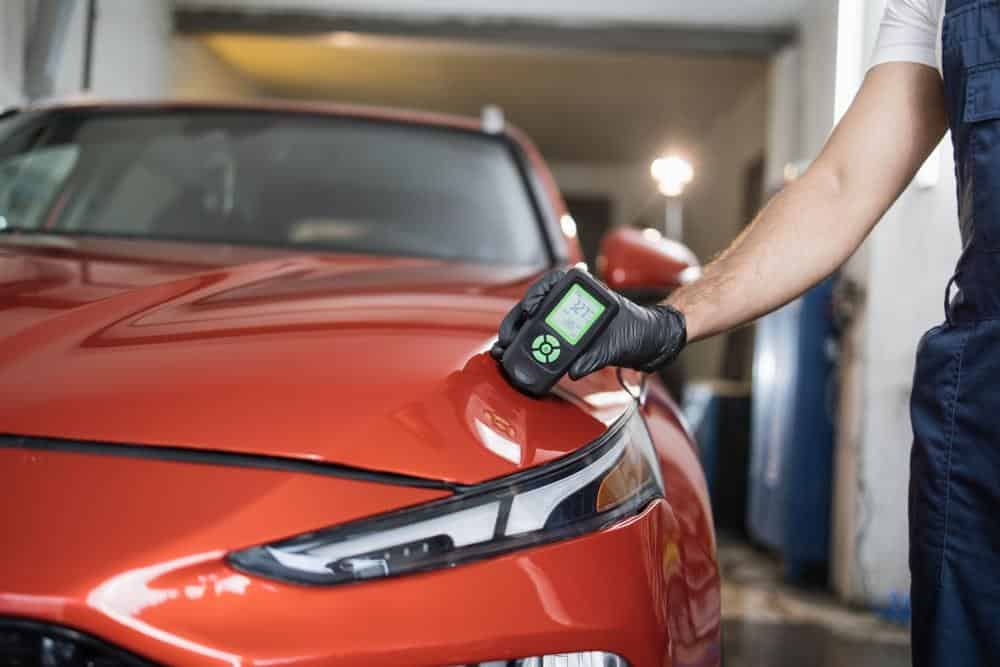
Technician verifying paint coating as part of a body shop quality control checklist

Final Quality Control Before Vehicle Delivery

Before a vehicle leaves the shop, a final round of checks pulls everything together.

  • Structural measurements verified
  • Panel alignment confirmed
  • Paint quality approved
  • ADAS calibration completed, where applicable
  • Road test performed
  • Diagnostic scan completed
  • Fluids checked
  • Vehicle cleaned
  • Customer documentation prepared

How Digital Tools Strengthen Quality Control

Using a 3D frame measuring system

A 3D frame measuring system gives technicians an objective read on structural accuracy instead of relying on eye and experience alone. This report delivers the measurement data that insurers and OEM certification programs require, and it helps standardize repair results regardless of the technician or vehicle.

Accessing an AI vehicle repair database

An AI vehicle repair database gives technicians faster access to vehicle specific repair information and OEM reference data, cutting into the manual lookup that used to eat into repair time. That speed adds up, especially in shops running several vehicles through the bay at once.

Common Quality Control Mistakes to Avoid

A few habits tend to show up again and again in shops that struggle with rework.

  • Relying only on visual inspections
  • Skipping intermediate quality checks between repair stages
  • Incomplete or missing documentation
  • Failing to verify repairs against OEM specifications
  • Skipping the final road test

Building a Culture of Continuous Quality Improvement

Unless the shop actively employs them, checklists are ineffective. Quality control becomes automatic for the team, rather than something a manager needs to pursue, due to standardized procedures, continuous technician training, and digital documentation.

Consistent quality checks, combined with a frank review of rework and customer input, usually reveal the same few persistent problems. Addressing the fundamental issues frequently enhances repair quality more than augmenting the checklist.

Turning This Checklist Into Consistent Repair Quality

A comprehensive auto body shop quality control checklist helps make sure repairs are safe, consistent, and completed to a high standard. Pairing structured inspection at every stage with tools such as a 3D frame measuring system and an AI vehicle repair database gives collision repair centres a more accurate, better documented repair process, one that holds up with customers, insurers, and OEM partners alike.

Celette’s NAJA 3D measuring system and AI powered vehicle database support that process at every stage, from the first damage assessment through final verification.

References:

  1. Occupational Safety and Health Standards for Automotive Repair. Retrieved August 2026, from https://www.osha.gov/autobody
  2. Driver Assistance Technologies. Retrieved August 2026, from https://www.nhtsa.gov/road-safety/driver-assistance-technologies

Frequently Asked Questions About Auto Body Shop Quality Control Checklists

Q: What should an auto body shop quality control checklist include?

A: A complete checklist covers pre-repair documentation, structural measurement, in-process checks on parts and safety systems, paint and assembly inspection, and a final review before the vehicle goes back to the customer.

Q: Why is quality control important in collision repair?

A: It protects repair accuracy, restores safety systems to working order, and gives insurers and customers documented proof that the vehicle meets the standards it left the factory with.

Q: How often should quality inspections be performed during repairs?

A: Inspections should happen at each major stage rather than only at the end, including after initial teardown, during structural correction, after parts installation, and again before the vehicle leaves the shop.

Q: Why are 3D frame measuring systems important for quality control?

A: They replace guesswork with objective data, confirming structural dimensions against factory specifications and producing a measurement report that supports both repair accuracy and insurance documentation.

Post Related

A laptop computer in an auto repair shop. Shops need modern management software.

What to Look for in Collision Repair Shop Software

Key Takeaways Modern collision repair shop software connects estimating, claims, scheduling, parts, and customer communication in one workfile instead of parallel systems. Vehicle complexity (ADAS, multi-material bodies, EVs) and insurer expectations mean software that can’t keep pace with repair data becomes a liability rather than an asset. AI-assisted estimating and integrated OEM vehicle databases are […]

Read More

A mechanic evaluating a car sent to his shop as part of a direct repair program

What is a Direct Repair Program? How Do Body Shops Qualify?

Key Takeaways A direct repair program is a formal agreement between an insurer and a collision repair shop, giving the shop steady referrals in exchange for meeting performance and equipment standards. Insurance direct repair program participation requires trained technicians, proper structural repair equipment, documented quality control processes, and consistent KPI performance. Shops must track metrics […]

Read More

Mechanics working under a lifted vehicle in an auto repair shop

How to Start an Auto Body or Auto Repair Shop

Key Takeaways: Auto body shops and auto repair shops are different businesses with different equipment, permits, and revenue models. Body shop startups typically cost $75,000 to $250,000+, while mechanical repair shops can start at $40,000 to $100,000+. Body shops require additional environmental permits for paint booths and hazardous waste that mechanical shops do not. Facility […]

Read More

A technician inspecting a damaged unibody frame rail during collision repair diagnosis

A Practical Guide to Unibody Frame Rail Repair

Key Takeaways Whether a rail is repairable, sectionable, or a full replacement comes down to the kink-versus-bend distinction and OEM sectioning data. Bent rails typically respond to controlled pulling on a frame bench, while kinked rails indicate irreversible metal failure and usually need replacement. Sectioning follows manufacturer-specified cut locations and joint design. Improvising creates stress […]

Read More