The common perception of “collision repair” as just fixing dents or repainting a car is a simplification; substantial accidents impact a vehicle’s core structure, electronic safety mechanisms, and hidden parts.
So what is collision repair, exactly? It’s the complete process of restoring a vehicle to its pre-accident condition after an impact, covering everything from structural correction and panel replacement to sensor recalibration and final quality checks.
In this guide, we break down what the process involves at each stage, the differences between a body shop and a general mechanic, and why equipment and expertise matter more than ever with today’s vehicles.
What Is Collision Repair? The Basics
At its core, auto body collision repair is the process of restoring a vehicle after accident damage. That means structural, mechanical, cosmetic, and electronic restoration, not just a respray.
It’s important to distinguish this from general maintenance or mechanical repair right away; an oil change is maintenance, while replacing brake pads is mechanical repair. But when a vehicle has been in a crash, and the frame is bent, panels are crushed, and safety sensors are knocked out of alignment? That goes into collision repair.
Today’s vehicles use mixed materials such as high-strength steel, aluminum, and composites that each require specific repair techniques. Modern car collision repair now includes frame correction, electronic diagnostics, advanced welding procedures, and ADAS (Advanced Driver Assistance Systems) recalibration. It’s a far cry from the panel-beating and filler work that defined the trade a generation ago.
What Does the Auto Collision Repair Process Look Like?
So, what is the auto collision repair process like? Here’s how the actual step-by-step process unfolds in a properly equipped shop.
Step 1: Damage Assessment
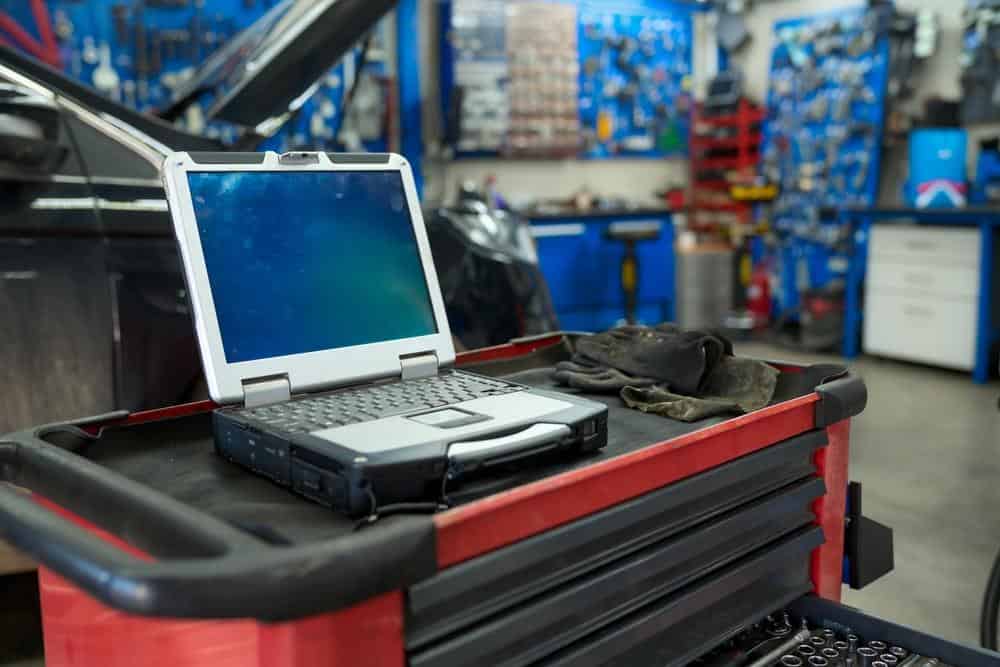
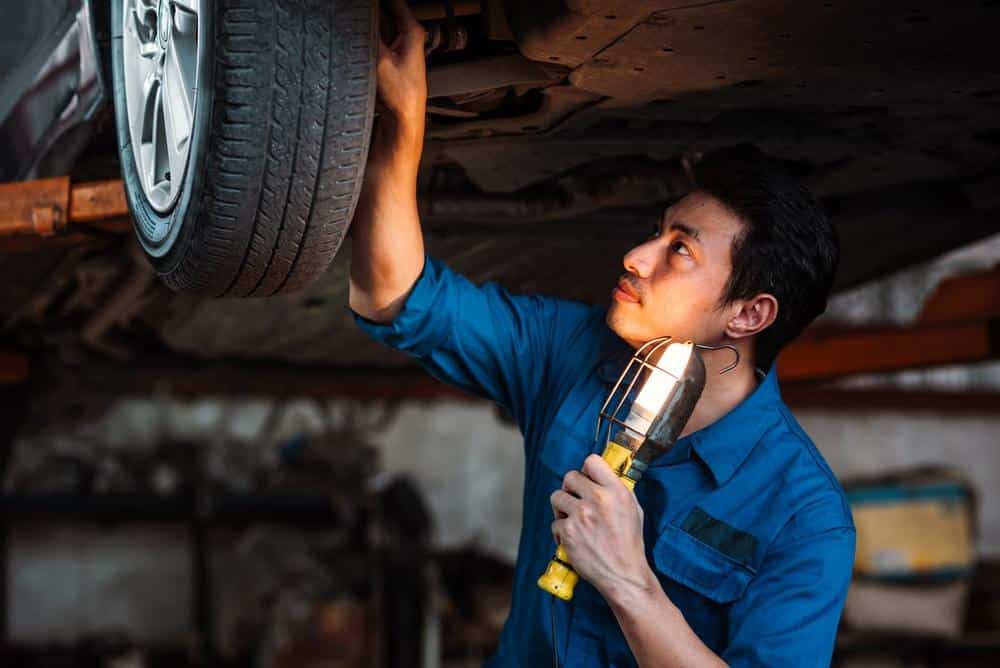
Everything starts with an inspection. Technicians perform a visual assessment combined with electronic diagnostic scans to identify both visible and hidden damage across the vehicle’s structural, mechanical, and electronic systems. Insurance coordination typically begins at this point, as shops prepare detailed estimates for approval.
Step 2: Disassembly and Repair Planning
The damaged area is stripped down to expose the full extent of the damage underneath. Hidden damage is common with structural hits, so the estimate often gets updated at this stage. Technicians then map out the repair plan: what can be repaired versus what needs to be fully replaced.
Step 3: Structural Repair
This is the core of serious car collision repair, where frame straightening, unibody alignment, and rail correction all take place. Technicians measure vehicle dimensions against factory specifications using electronic measuring systems. A frame machine for cars applies controlled hydraulic force to pull the structure back to OEM geometry, while jig systems hold the vehicle’s undamaged reference points in place during pulls to prevent secondary distortion.
Step 4: Panel Repair and Replacement
Damaged body panels (fenders, doors, bumpers, quarter panels) are either repaired or replaced. Parts may be OEM or aftermarket, though OEM parts are generally preferred for fit and safety-critical areas. Technicians also check panel gaps and alignment to make sure everything sits flush with the rest of the body.
Step 5: Refinishing
Sanding, priming, sealing, and painting happen in a controlled spray booth. Color matching to the original finish is important here for a seamless result, with a clear coat going on last for protection and gloss. A good refinishing isn’t just for cosmetics, as it also protects exposed metal from corrosion.
Step 6: Reassembly and Quality Checks
All the components are reinstalled, including trim, glass, lights, electronics, and sensors. Technicians then run post-repair diagnostic scans to confirm that no fault codes remain in the vehicle’s systems. ADAS recalibration is performed where applicable to ensure cameras, radar, and sensors are operating within factory tolerances. The process then rounds out with a test drive and final visual inspection before the vehicle is cleared for delivery.
Auto Body Collision Shop vs. Auto Repair Shop
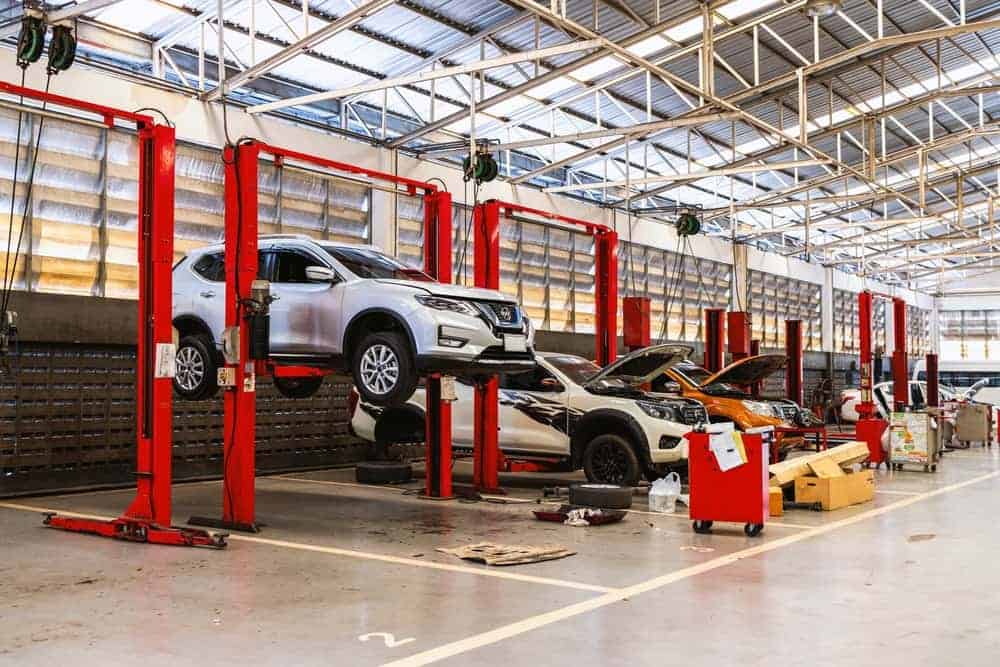
This is a distinction that trips up a lot of people. An auto body collision shop and an auto repair shop (mechanic) serve different purposes.
- Auto body collision shop: Specializes in accident damage, including structural repair, panel work, painting, and restoring the vehicle’s body and frame to factory condition. These shops use specialized equipment like frame machines, measuring systems, spray booths, and jig systems.
- Auto repair shop: This is your mechanic, focusing on mechanical and performance issues with the engine, transmission, brakes, and suspension, as well as routine maintenance. Different tools, different expertise.
There is some overlap. A collision can damage mechanical components like the radiator, suspension, or steering, so body shops often handle or coordinate those repairs as part of the overall job.
But the key takeaway is, if the damage came from an impact, start with the body shop. Structural and cosmetic restoration needs to happen before (or alongside) any mechanical fixes.
Why Equipment and Expertise Matter in Collision Repair
Modern vehicles are engineered with extremely tight tolerances. Crumple zones, load paths, and sensor mounting points all depend on precise geometry. When that geometry is compromised and not properly restored, consequences like handling problems, accelerated wear, compromised crash performance, and failed ADAS systems stack up fast, and worse still, they may not alert the driver.
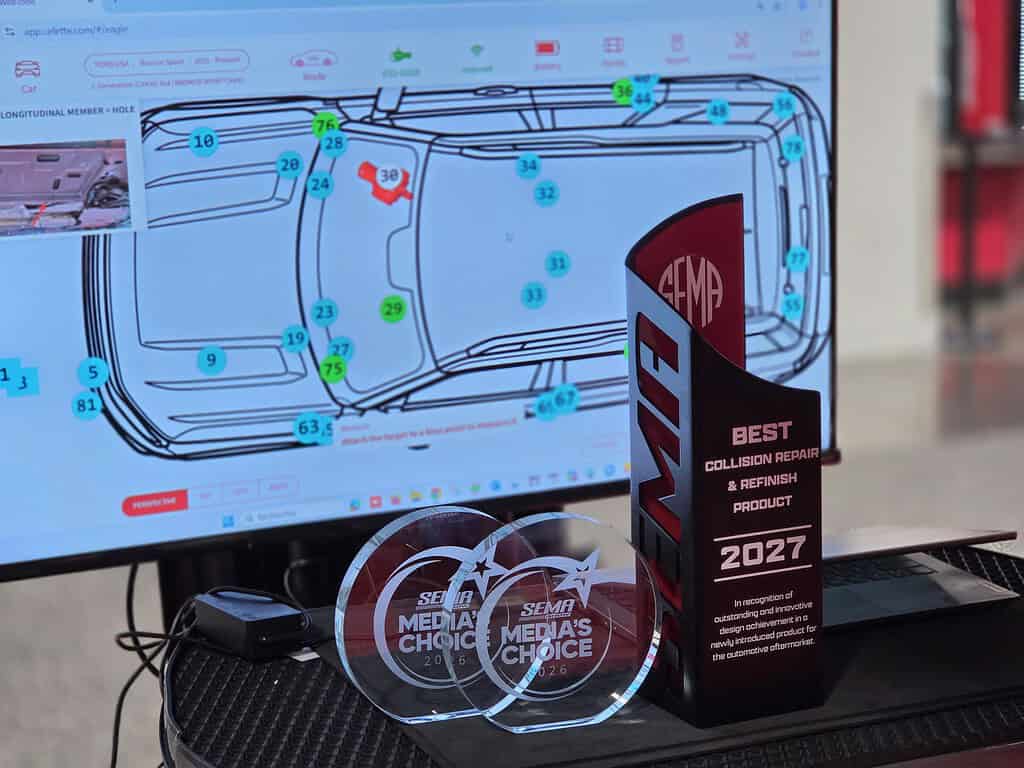
This is where equipment quality becomes critical. Professional-grade frame machines for cars bring the chassis back to factory dimensions with verifiable accuracy, electronic 3D measuring systems confirm that structural points are within OEM tolerances both before and after repair, and automotive frame jigs allow shops to service a wide range of vehicle makes and models efficiently. These are especially important in markets like Thailand and the Asia-Pacific region, where the vehicle mix is diverse.
Without them, substandard equipment or outdated methods can leave hidden misalignments that create real problems months down the road. It’s the kind of thing that doesn’t show up on a visual inspection but quietly undermines the vehicle’s safety performance.
Choose the Right Shop, Get the Right Result
Car collision repair is a multi-stage process that goes well beyond surface-level fixes, where structural accuracy, proper materials handling, and electronic recalibration are all essential for a safe outcome. For this reason, choosing the right shop with the right certifications, the right equipment, and demonstrated experience with modern vehicle platforms is all the more important for protecting both your safety and your vehicle’s long-term value.
If you’re a collision repair professional, equip or upgrade your shop with the right tools by Celette Thailand today. We offer automotive frame jigs, measuring systems, and frame machines for cars that help you perform car collision repair the right way, all backed by technical training at our Chonburi facility. Contact Celette today to learn more.
Frequently Asked Questions About Collision Repair
Q1: Should I take my car to a body shop or a mechanic after an accident?
If the damage is from an impact or collision, start with an auto body collision shop. Body shops specialize in structural repair, panel restoration, refinishing, and sensor recalibration. A general mechanic handles engine, brake, and drivetrain issues. If mechanical components were also damaged in the crash, the body shop will typically coordinate those repairs as part of the overall job.
Q2: How long does the car collision repair process typically take?
Timelines vary depending on the severity of the damage, parts availability, and the complexity of the repairs involved. Minor cosmetic work may take a few days, while structural repairs with ADAS recalibration can take two weeks or more. Your body shop should provide a timeline after completing the damage assessment and repair plan.
Q3: Why do body shops use frame machines and measuring systems during repairs?
Frame machines apply controlled hydraulic force to pull a vehicle’s structure back to factory specifications. Measuring systems verify that all structural reference points are within OEM tolerances before and after the repair. Together, they ensure the vehicle’s geometry is correct, which directly affects safety, handling, and the proper function of ADAS sensors.
References
- Automotive Collision Repair Market Size, Share | Growth [2034]. Retrieved March 19, 2026, from https://www.fortunebusinessinsights.com/automotive-collision-repair-market-113701