𝐈𝐧𝐭𝐫𝐨𝐝𝐮𝐜𝐭𝐢𝐨𝐧: 𝐀 𝐅𝐮𝐧𝐝𝐚𝐦𝐞𝐧𝐭𝐚𝐥 𝐂𝐡𝐨𝐢𝐜𝐞 𝐢𝐧 𝐌𝐨𝐝𝐞𝐫𝐧 𝐂𝐨𝐥𝐥𝐢𝐬𝐢𝐨𝐧 𝐑𝐞𝐩𝐚𝐢𝐫
Modern collision repair is no longer about making a vehicle “look straight.” With today’s unibody constructions, mixed materials, EV architectures, and ADAS-dependent geometries, repair accuracy is a matter of engineering precision. One decision has a direct impact on repair quality, repeatability, and OEM compliance: bench repair versus floor repair.
While both approaches remain in use worldwide, their technical capabilities are not equivalent. This article explains the structural differences between bench and floor repair, why OEM procedures increasingly align with bench-based methods, and how Celette benches consistently deliver measurable, repeatable, and OEM-compliant results.
𝐓𝐡𝐞 𝐎𝐫𝐢𝐠𝐢𝐧 𝐨𝐟 𝐭𝐡𝐞 𝐒𝐭𝐫𝐚𝐢𝐠𝐡𝐭𝐞𝐧𝐢𝐧𝐠 𝐁𝐞𝐧𝐜𝐡 (𝟏𝟗𝟓𝟑)
The straightening bench is not an incremental evolution of floor repair. It is a defined invention.
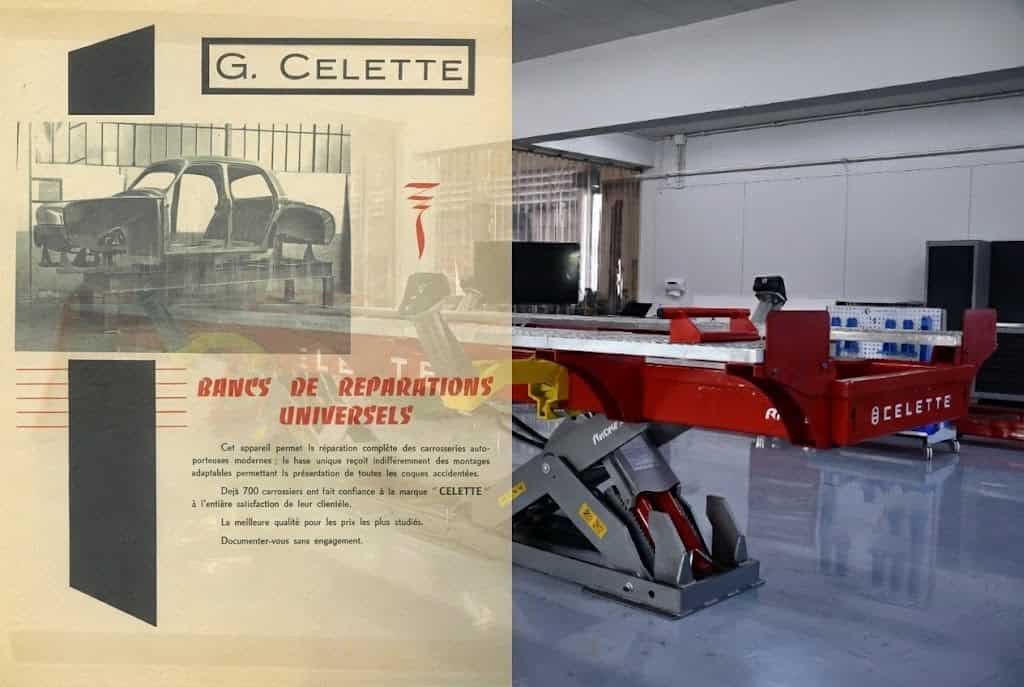
In 1953, Germain Celette introduced the first dedicated vehicle straightening bench, establishing a new repair principle: a rigid, elevated reference structure that holds the vehicle in a fixed geometric position while controlled forces are applied.
This concept introduced ideas that now define modern structural repair:
• A stable reference independent of the workshop floor
• Fixed anchoring points based on vehicle geometry
• Repeatable accuracy regardless of technician
• Structural correction validated by measurement, not visual judgment
This invention became the foundation that the global collision repair equipment industry later followed. Today’s bench systems, across all manufacturers are direct descendants of this original concept.
𝐅𝐥𝐨𝐨𝐫 𝐑𝐞𝐩𝐚𝐢𝐫: 𝐅𝐥𝐞𝐱𝐢𝐛𝐢𝐥𝐢𝐭𝐲 𝐖𝐢𝐭𝐡 𝐒𝐭𝐫𝐮𝐜𝐭𝐮𝐫𝐚𝐥 𝐋𝐢𝐦𝐢𝐭𝐚𝐭𝐢𝐨𝐧𝐬
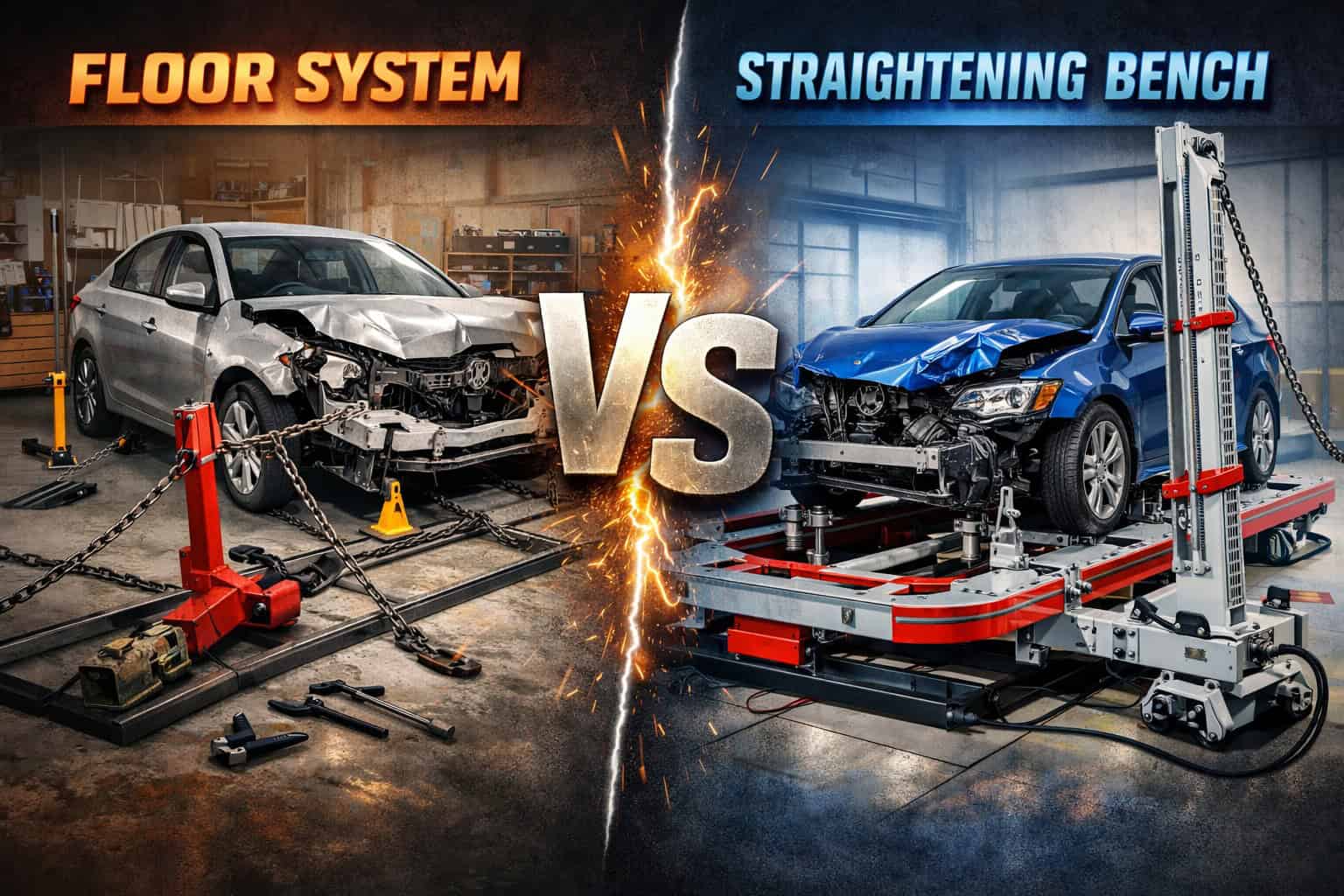
Floor repair systems typically rely on anchoring the vehicle directly to the workshop floor using chains, clamps, and pulling towers. Historically, this method offered flexibility and low initial investment.
However, floor repair has inherent technical constraints:
• The floor is not a calibrated reference plane
• Anchoring points vary by vehicle and setup
• Structural geometry can shift during pulling
• Accuracy depends heavily on technician experience
For cosmetic damage or limited corrections, floor repair may be acceptable. For modern structural repairs—especially involving ADAS or EV platforms—it introduces uncertainty that OEM procedures increasingly reject.
𝐁𝐞𝐧𝐜𝐡 𝐑𝐞𝐩𝐚𝐢𝐫: 𝐂𝐨𝐧𝐭𝐫𝐨𝐥𝐥𝐞𝐝 𝐆𝐞𝐨𝐦𝐞𝐭𝐫𝐲 𝐛𝐲 𝐃𝐞𝐬𝐢𝐠𝐧
Bench repair reverses this logic. Instead of adapting the repair to the floor, the vehicle is adapted to a fixed, engineered reference.
A bench system provides:
• A rigid, dimensionally stable structure
• Known reference points aligned to OEM geometry
• Controlled application of pulling forces
• Consistent results independent of operator variability
This mirrors OEM manufacturing logic: vehicles are built on fixed references, and correct repair requires returning them to those same references.
𝐓𝐡𝐞 𝐂𝐞𝐥𝐞𝐭𝐭𝐞 𝐁𝐞𝐧𝐜𝐡 𝐑𝐚𝐧𝐠𝐞: 𝐄𝐧𝐠𝐢𝐧𝐞𝐞𝐫𝐢𝐧𝐠 𝐂𝐨𝐧𝐬𝐢𝐬𝐭𝐞𝐧𝐜𝐲 𝐀𝐜𝐫𝐨𝐬𝐬 𝐀𝐩𝐩𝐥𝐢𝐜𝐚𝐭𝐢𝐨𝐧𝐬
Sevenne Series – Precision for Daily Structural Repair
Sevenne / Sevenne L / Sevenne XL benches are designed for unibody passenger vehicles, SUVs, Vans and light commercial applications.
• Calibrated, rigid bench structure
• Compatibility with dedicated and universal jigs
• Efficient workflow for moderate structural damage
• Full integration with NAJA 3D measurement
Sevenne benches deliver repeatable accuracy across multi-brand repair environments, making them ideal for OEM-certified bodyshops.
Rhone Series – Stability Under High Structural Loads
Rhone / Rhone L / Rhone XL – benches with scissor lifts
• Calibrated, rigid bench structure
• Compatibility with dedicated and universal jigs
• Efficient workflow for moderate structural damage
• Full integration with NAJA 3D measurement
Where floor systems may flex under load, Rhone benches maintain geometry throughout the repair process.
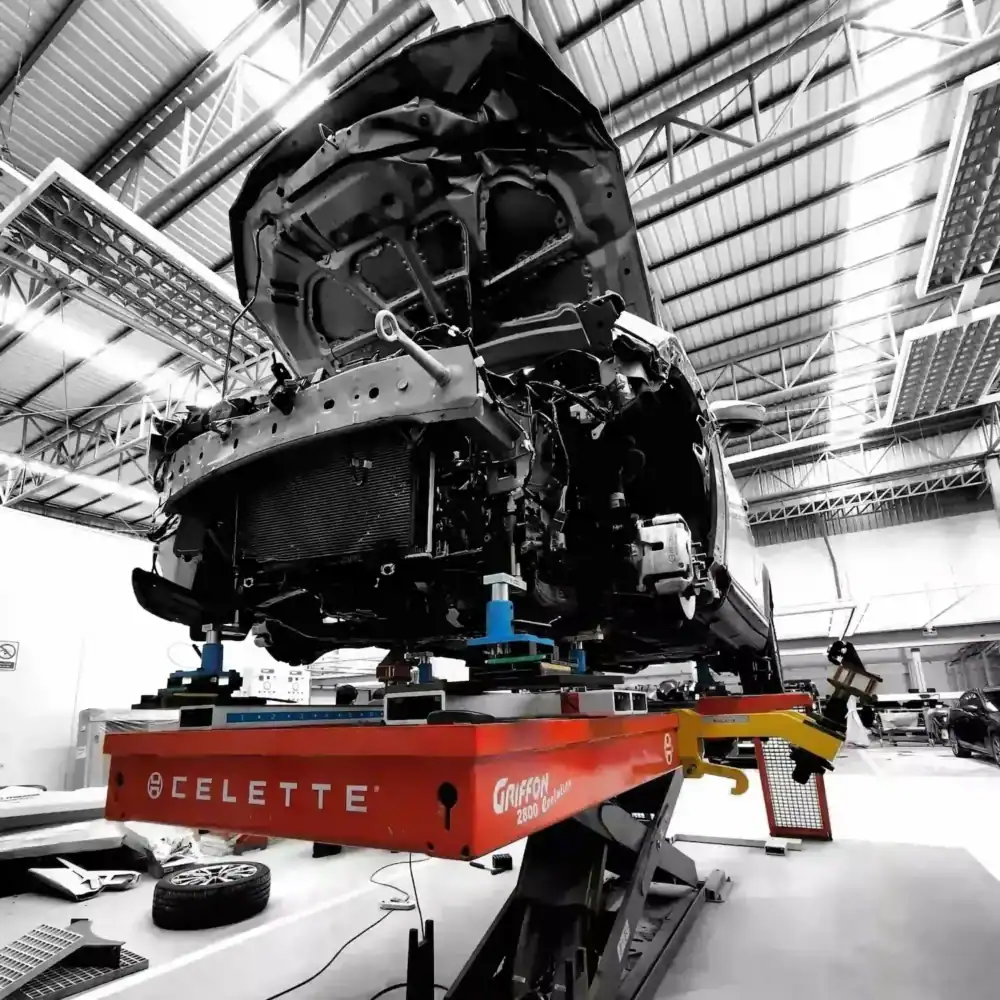
Griffon Series – Maximum Rigidity for Complex Repairs
Griffon / Griffon VB / Griffon XL benches with main scissor lift and additional internal lift:
• Calibrated, rigid bench structure
• Compatibility with dedicated and universal jigs
• Efficient workflow for moderate structural damage
• Full integration with NAJA 3D measurement
Their defining characteristic is absolute dimensional stability, even under extreme forces.
𝐃𝐞𝐝𝐢𝐜𝐚𝐭𝐞𝐝 𝐉𝐢𝐠𝐬 𝐯𝐬 𝐔𝐧𝐢𝐯𝐞𝐫𝐬𝐚𝐥 𝐉𝐢𝐠𝐬: 𝐏𝐫𝐞𝐜𝐢𝐬𝐢𝐨𝐧 𝐯𝐬 𝐀𝐝𝐚𝐩𝐭𝐚𝐛𝐢𝐥𝐢𝐭𝐲
Dedicated jigs replicate OEM-defined mounting points, physically locking the vehicle structure into factory geometry.
Advantages:
• No interpretation of data
• Minimal tolerance stacking
• Direct alignment with OEM dimensions
They are particularly critical for vehicles with tight ADAS and body tolerances.
Universal Jigs:
Universal jigs offer flexibility and broad vehicle coverage. When used on a rigid Celette bench and verified by measurement, they remain precise and controlled, unlike floor-mounted universal systems that rely on estimation.
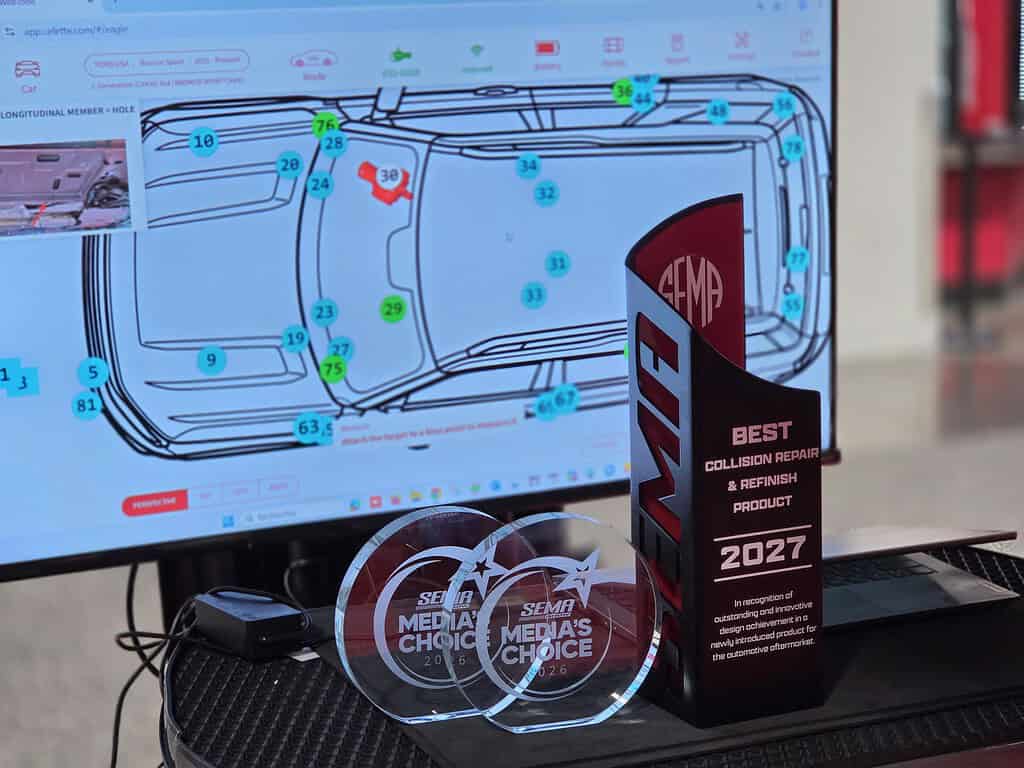
𝐌𝐞𝐚𝐬𝐮𝐫𝐞𝐦𝐞𝐧𝐭 𝐚𝐬 𝐕𝐚𝐥𝐢𝐝𝐚𝐭𝐢𝐨𝐧: 𝐍𝐀𝐉𝐀 𝟑𝐃
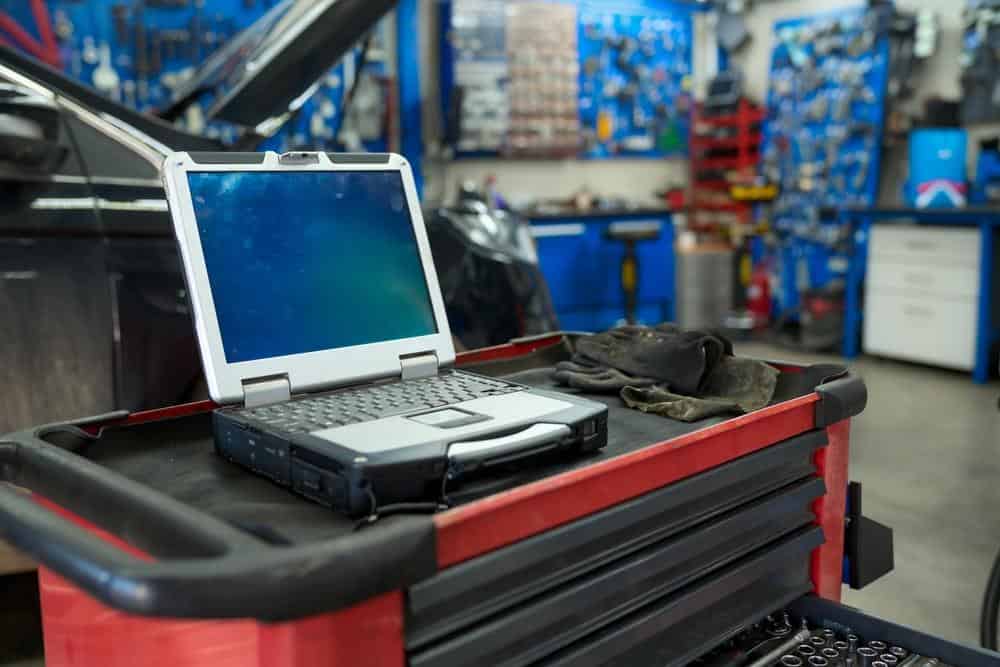
Structural repair without measurement is assumption-based repair. NAJA3D transforms bench repair into a verified engineering process.
NAJA3D provides:
• Real-time measurement during pulling
• Comparison to OEM reference data
• Detection of secondary deformation
• Documented proof of repair accuracy
𝐖𝐡𝐲 𝐅𝐥𝐨𝐨𝐫 𝐑𝐞𝐩𝐚𝐢𝐫 𝐒𝐭𝐫𝐮𝐠𝐠𝐥𝐞𝐬 𝐢𝐧 𝐭𝐡𝐞 𝐀𝐃𝐀𝐒 𝐄𝐫𝐚
ADAS calibration assumes correct structural geometry:
• Sensor height
• Longitudinal and lateral alignment
• Vehicle symmetry
Even minor structural deviations, often invisible visually can compromise system performance. Floor repair methods, lacking a fixed reference plane, introduce variability precisely where OEM tolerance margins are shrinking.
Bench repair restores geometry before calibration, aligning with OEM repair sequencing and liability expectations.
𝐂𝐨𝐧𝐬𝐢𝐬𝐭𝐞𝐧𝐜𝐲: 𝐓𝐡𝐞 𝐇𝐢𝐝𝐝𝐞𝐧 𝐀𝐝𝐯𝐚𝐧𝐭𝐚𝐠𝐞 𝐨𝐟 𝐁𝐞𝐧𝐜𝐡 𝐑𝐞𝐩𝐚𝐢𝐫
Beyond technical accuracy, bench repair delivers operational consistency:
• Predictable repair outcomes
• Reduced rework
• Simplified technician training
• Clear documentation for insurers and OEM programs
• Strong alignment across distributor and multi-site networks
Consistency is not only technical, it is operational, legal, and commercial.
𝐂𝐨𝐧𝐜𝐥𝐮𝐬𝐢𝐨𝐧: 𝐅𝐫𝐨𝐦 𝟏𝟗𝟓𝟑 𝐭𝐨 𝐓𝐨𝐝𝐚𝐲, 𝐀 𝐏𝐫𝐨𝐯𝐞𝐧 𝐒𝐭𝐫𝐮𝐜𝐭𝐮𝐫𝐚𝐥 𝐋𝐨𝐠𝐢𝐜
Since Germain Celette’s invention of the straightening bench in 1953, the fundamental logic of correct structural repair has not changed:
fixed reference, controlled force, verified geometry.
Modern Celette systems – Sevenne, Rhone, and Griffon, combined with dedicatedjig or universaljig and NAJA3D measurement – apply this original engineering principle to today’s complex vehicles.
In an industry defined by OEM compliance, ADAS performance, and liability control, bench repair is no longer an alternative to floor repair.
It is the structural baseline.