𝐀 𝐍𝐞𝐰 𝐆𝐞𝐧𝐞𝐫𝐚𝐭𝐢𝐨𝐧 𝐨𝐟 𝐋𝐢𝐠𝐡𝐭𝐰𝐞𝐢𝐠𝐡𝐭, 𝐒𝐮𝐬𝐭𝐚𝐢𝐧𝐚𝐛𝐥𝐞, 𝐚𝐧𝐝 𝐇𝐢𝐠𝐡-𝐏𝐫𝐞𝐜𝐢𝐬𝐢𝐨𝐧 𝐁𝐨𝐝𝐲 𝐑𝐞𝐩𝐚𝐢𝐫 𝐒𝐲𝐬𝐭𝐞𝐦𝐬
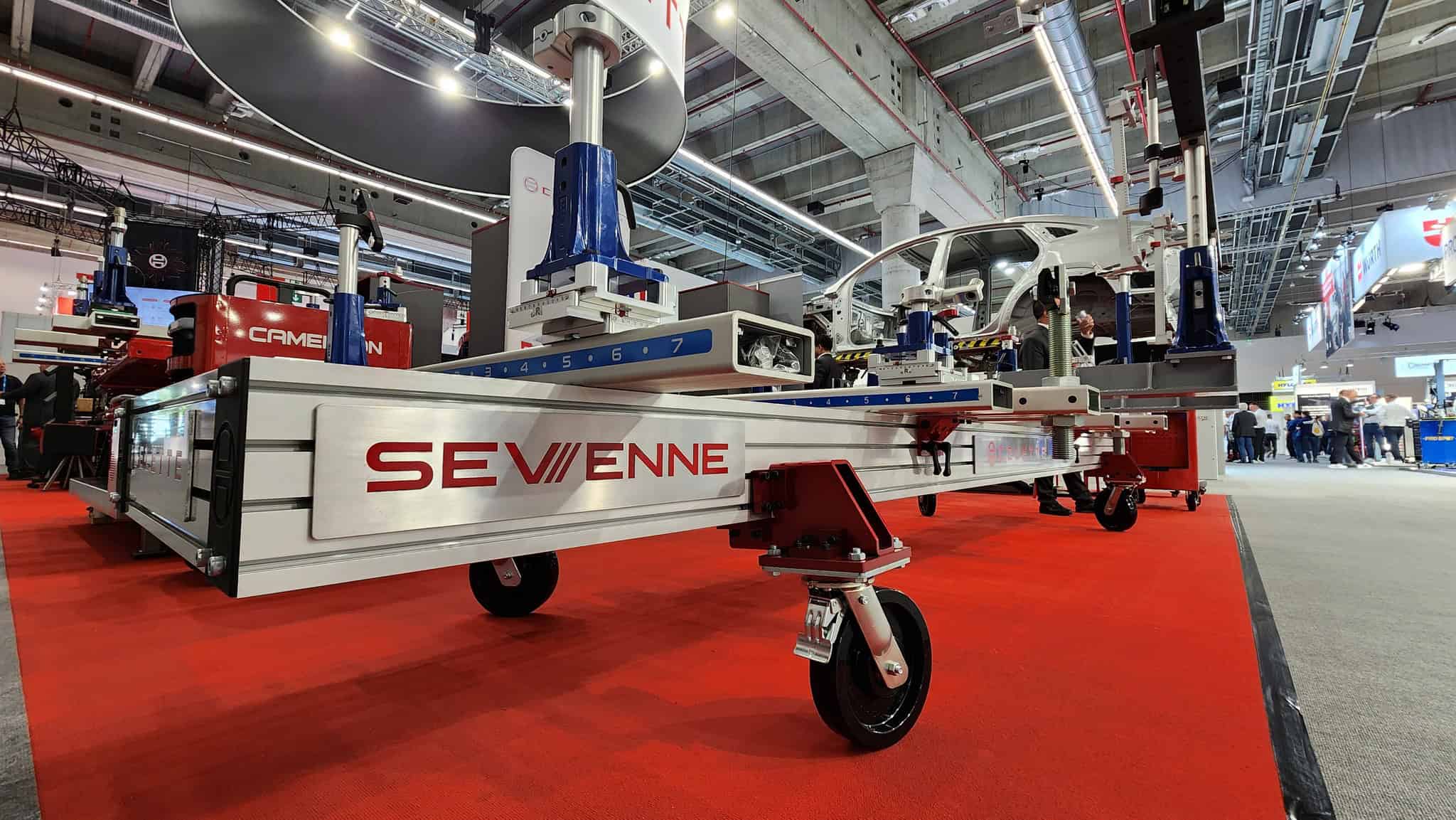
The collision repair industry is undergoing a fundamental transformation. The rapid growth of aluminum vehicle structures, mixed-material body designs, and increasingly strict OEM repair requirements are forcing workshops to rethink not only repair methods, but also the equipment used to perform structural work. In response to these changes, Celette has introduced a new full aluminum collision repair solution—a complete ecosystem consisting of an aluminum repair bench, crossmembers, pulling towers, pistons, and the full Cameleon universal jig system, all engineered in aluminum.
This solution is not a cosmetic redesign. It represents a system-level shift toward lighter equipment, improved ergonomics, enhanced workshop safety, and reduced environmental impact—while maintaining the dimensional accuracy and structural control that Celette systems are known for.
𝐓𝐡𝐞 𝐅𝐮𝐥𝐥 𝐀𝐥𝐮𝐦𝐢𝐧𝐮𝐦 𝐁𝐞𝐧𝐜𝐡: 𝐒𝐭𝐫𝐮𝐜𝐭𝐮𝐫𝐚𝐥 𝐁𝐚𝐜𝐤𝐛𝐨𝐧𝐞 𝐨𝐟 𝐭𝐡𝐞 𝐒𝐲𝐬𝐭𝐞𝐦
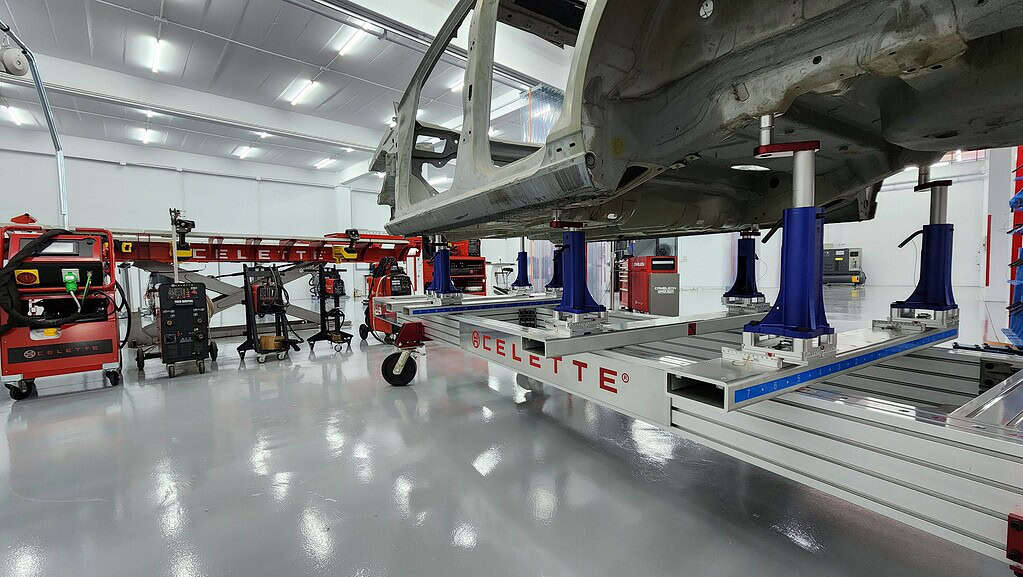
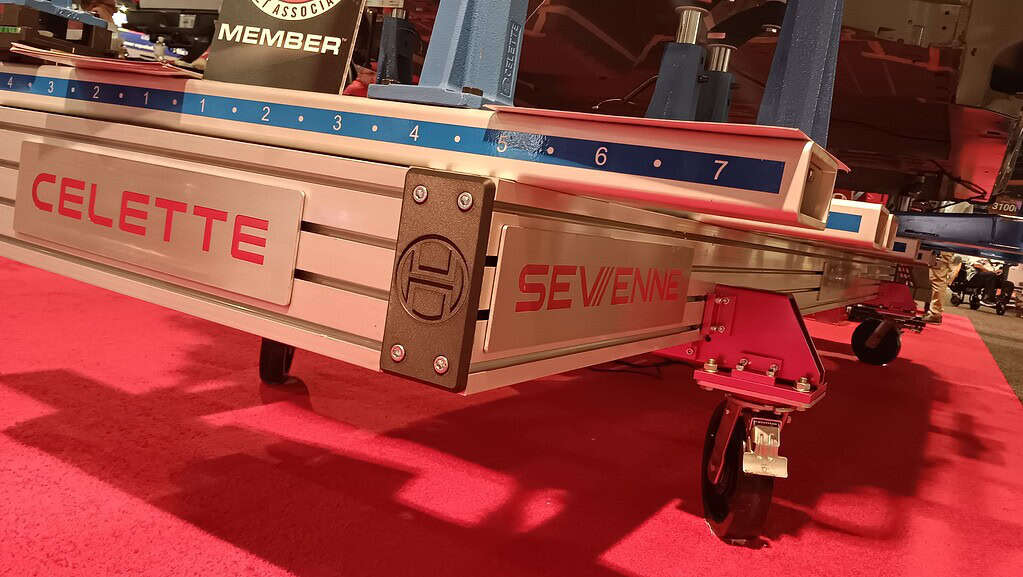
At the core of the solution is the full aluminum collision repair bench. Manufactured from high-grade aluminum profiles, the bench offers a significant weight reduction compared to traditional steel platforms, while maintaining the rigidity required for structural repairs.
Key Technical Characteristics
• Lightweight aluminum construction for easy positioning and movement
• High resistance to deformation under controlled pulling loads
• Modular profile design allowing flexible crossmember positioning
• Compatibility with universal jig referencing and pulling systems
The reduced mass of the bench improves maneuverability inside the workshop, shortens setup time, and lowers physical strain on technicians—especially in high-volume repair environments.
𝐀𝐥𝐮𝐦𝐢𝐧𝐮𝐦 𝐂𝐫𝐨𝐬𝐬𝐦𝐞𝐦𝐛𝐞𝐫𝐬: 𝐏𝐫𝐞𝐜𝐢𝐬𝐢𝐨𝐧 𝐰𝐢𝐭𝐡 𝐑𝐞𝐝𝐮𝐜𝐞𝐝 𝐌𝐚𝐬𝐬
The aluminum crossmembers form the interface between the bench and the vehicle anchoring system. Their role is critical: they must transmit loads efficiently while maintaining geometric accuracy.
Benefits of aluminum crossmembers include:
• Easier manual handling and faster installation
• Reduced risk of accidental bench misalignment during setup
• Corrosion resistance, even in humid workshop environments
• Long-term dimensional stability
Because crossmembers are frequently repositioned, the weight reduction has a direct, measurable impact on daily productivity.
𝐀𝐥𝐮𝐦𝐢𝐧𝐮𝐦 𝐌𝐙 𝐓𝐨𝐰𝐞𝐫𝐬 𝐚𝐧𝐝 𝐏𝐢𝐬𝐭𝐨𝐧𝐬: 𝐂𝐨𝐧𝐭𝐫𝐨𝐥𝐥𝐞𝐝 𝐅𝐨𝐫𝐜𝐞 𝐰𝐢𝐭𝐡 𝐌𝐚𝐱𝐢𝐦𝐮𝐦 𝐏𝐫𝐞𝐜𝐢𝐬𝐢𝐨𝐧
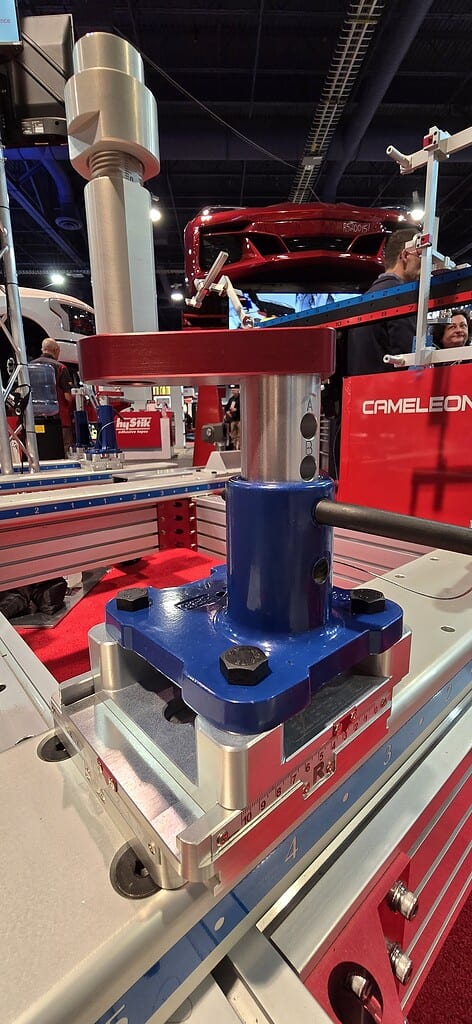
In the Celette aluminum repair ecosystem, MZ towers replace conventional pulling towers and play a central role in controlled structural correction. The MZ system is specifically designed to work in combination with jig-based anchoring, where vehicle geometry is defined by reference points rather than by force alone.
Manufactured in aluminum, the MZ towers and pistons significantly reduce system mass while maintaining the rigidity required for high-precision repairs. This lower weight improves handling and positioning accuracy, allowing technicians to place and adjust towers quickly without introducing unwanted stress or misalignment.
𝐅𝐮𝐥𝐥 𝐀𝐥𝐮𝐦𝐢𝐧𝐮𝐦 𝐂𝐚𝐦𝐞𝐥𝐞𝐨𝐧 𝐔𝐧𝐢𝐯𝐞𝐫𝐬𝐚𝐥 𝐉𝐢𝐠 𝐒𝐲𝐬𝐭𝐞𝐦
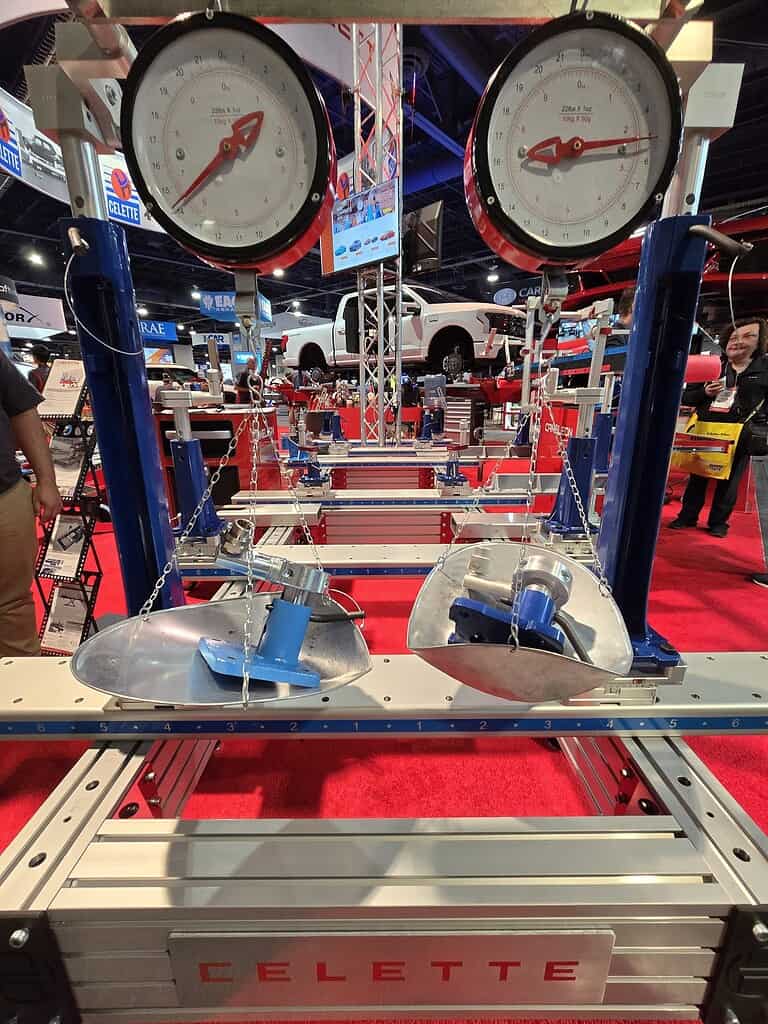
One of the most significant advancements is the availability of the complete Cameleon universal jig system in aluminum. This includes jigs, supports, and associated components, all optimized for lightweight handling and high positional accuracy.
𝐖𝐡𝐲 𝐔𝐧𝐢𝐯𝐞𝐫𝐬𝐚𝐥 𝐉𝐢𝐠𝐬 𝐌𝐚𝐭𝐭𝐞𝐫
Vehicles are manufactured on dedicated jigs with strict dimensional tolerances. Repairing a vehicle using a jig-based system ensures:
• Correct positioning of suspension, drivetrain, and safety components
• Accurate restoration of factory reference points
• Stability during pulling, so only damaged areas are affected
By executing the entire jig ecosystem in aluminum, Celette enhances usability without compromising referencing accuracy.

𝐑𝐞𝐩𝐚𝐢𝐫 𝐀𝐜𝐜𝐮𝐫𝐚𝐜𝐲 𝐚𝐧𝐝 𝐒𝐭𝐫𝐮𝐜𝐭𝐮𝐫𝐚𝐥 𝐂𝐨𝐧𝐭𝐫𝐨𝐥
A fundamental advantage of jig-based repair—especially when combined with a rigid bench—is controlled structural isolation. When a vehicle is anchored on multiple jigs and sill clamps:
• The undamaged structure remains fixed
• Pulling forces are applied only to the affected zones
• Secondary distortions are minimized or eliminated
This principle is especially critical in aluminum repairs, where repeated corrections are not acceptable. The aluminum Celette system supports single-step, highly controlled corrections, aligned with OEM repair philosophies.
𝐖𝐨𝐫𝐤𝐬𝐡𝐨𝐩 𝐒𝐚𝐟𝐞𝐭𝐲 𝐚𝐧𝐝 𝐀𝐥𝐮𝐦𝐢𝐧𝐮𝐦 𝐑𝐞𝐩𝐚𝐢𝐫 𝐙𝐨𝐧𝐞𝐬
Aluminum repair requires strict separation from steel operations to prevent cross-contamination. The aluminum construction of the bench and accessories offers additional safety advantages:
• Reduced spark risk compared to steel structures
• Compatibility with aluminum-specific welding environments
• Easier cleaning and contamination control
• Lower risk of galvanic corrosion when used correctly
This makes the system well-suited for dedicated aluminum repair bays, as recommended by many vehicle manufacturers.
𝐄𝐫𝐠𝐨𝐧𝐨𝐦𝐢𝐜𝐬 𝐚𝐧𝐝 𝐓𝐞𝐜𝐡𝐧𝐢𝐜𝐢𝐚𝐧 𝐖𝐞𝐥𝐥-𝐁𝐞𝐢𝐧𝐠
From an operational perspective, weight matters—not only for machines, but for people. The reduced mass of aluminum components improves ergonomics in several ways:
• Less physical strain during setup and reconfiguration
• Faster transitions between repair jobs
• Improved accessibility for smaller teams or single-technician operations
• Reduced risk of workplace injuries
Over time, these factors contribute to higher productivity, lower absenteeism, and better technician retention.
𝐒𝐮𝐬𝐭𝐚𝐢𝐧𝐚𝐛𝐢𝐥𝐢𝐭𝐲 𝐚𝐧𝐝 𝐄𝐧𝐯𝐢𝐫𝐨𝐧𝐦𝐞𝐧𝐭𝐚𝐥 𝐑𝐞𝐬𝐩𝐨𝐧𝐬𝐢𝐛𝐢𝐥𝐢𝐭𝐲
Aluminum is 100% recyclable, and its use aligns with the broader automotive industry’s sustainability goals. Compared to traditional steel equipment, aluminum systems:
• Reduce raw material consumption over their lifecycle
• Lower transport emissions due to reduced weight
• Support workshops aiming for greener certifications or OEM sustainability targets
For bodyshops investing in long-term infrastructure, sustainability is no longer optional—it is a strategic requirement.
𝐈𝐧𝐭𝐞𝐠𝐫𝐚𝐭𝐢𝐨𝐧 𝐰𝐢𝐭𝐡 𝐌𝐨𝐝𝐞𝐫𝐧 𝐑𝐞𝐩𝐚𝐢𝐫 𝐏𝐫𝐨𝐜𝐞𝐬𝐬𝐞𝐬 𝐚𝐧𝐝 𝐀𝐃𝐀𝐒
Structural accuracy is directly linked to ADAS functionality. Camera alignment, radar positioning, and sensor geometry all depend on correct body dimensions.
The Celette aluminum solution:
• Supports jig-based referencing aligned with OEM data
• Provides stable anchoring during measurement and correction
• Helps ensure that post-repair ADAS calibration is reliable and repeatable
In modern repair workflows, structural repair and electronic calibration are inseparable.
𝐀 𝐍𝐞𝐰 𝐒𝐭𝐚𝐧𝐝𝐚𝐫𝐝 𝐟𝐨𝐫 𝐂𝐨𝐥𝐥𝐢𝐬𝐢𝐨𝐧 𝐑𝐞𝐩𝐚𝐢𝐫 𝐄𝐪𝐮𝐢𝐩𝐦𝐞𝐧𝐭
The Celette full aluminum collision repair solution is not simply lighter—it is smarter, safer, and better adapted to the realities of modern vehicle construction. By combining an aluminum bench, crossmembers, pulling towers, pistons, and the full Cameleon universal jig system into a unified ecosystem, Celette delivers a future-proof answer to today’s repair challenges.
For workshops repairing aluminum-intensive vehicles, operating under OEM standards, and seeking efficiency without compromise, this solution represents a new benchmark in collision repair technology.