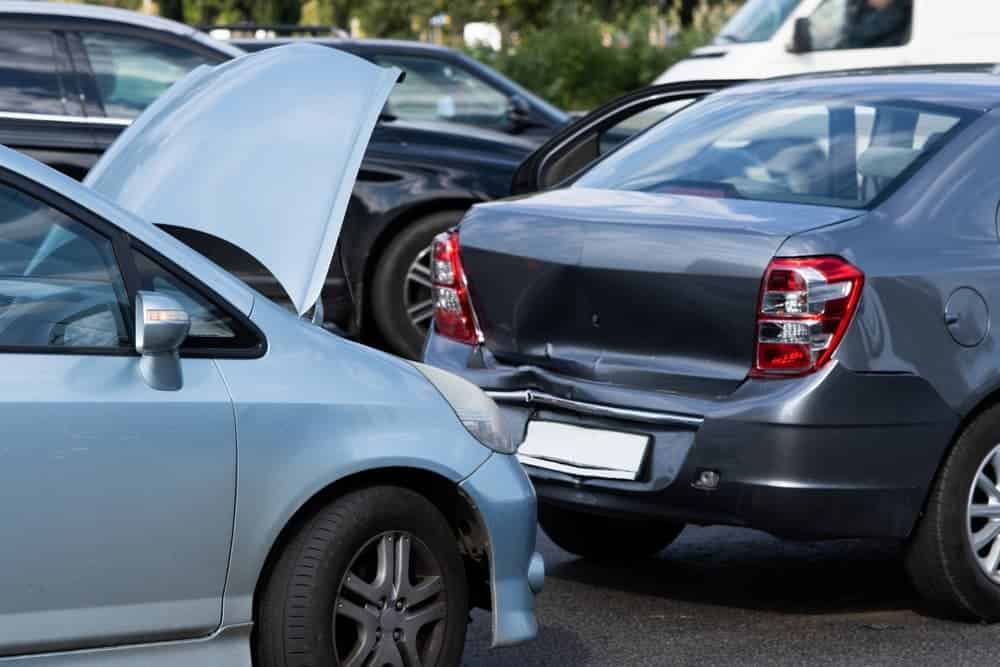
A car is brought in, showing only superficial damage, yet when a technician takes it apart, everything changes. The frame is a bit misaligned, a sensor bracket has moved, and a rail is cracked behind the trim. What initially seemed like a small issue turned out to be significant, highlighting the importance of auto body repair.
This is exactly why auto body repair procedures follow a fixed sequence. The steps in auto body repair exist not to add complexity, but because skipping any one of them can leave a car that looks fixed but is not truly safe.
What Actually Happens During a Collision Repair?
Most people picture collision repair procedures as mostly cosmetic work. The bigger job is restoring structural integrity. Even after repairs, a car involved in an accident might still pose a safety risk if its underlying structure isn’t fixed properly, potentially compromising safety features. The repair procedures automotive professionals follow exist to address all of that, not just what is visible on the surface.
Step 1: Damage Assessment
Every repair starts with a full visual inspection of the exterior, followed by a diagnostic scan to check for electronic fault codes triggered by the impact. Collisions affect more than just metal, and issues in the car’s systems need to be caught before anything is touched. Everything found gets documented with photos and written notes for the insurance process and to build an accurate repair plan.
Step 2: Disassembly and Structural Inspection
Before any work begins, the damaged sections come apart. Panels are removed, trim is taken off, and nearby mechanical or electrical components are disconnected. A scuffed bumper can hide a bent rail. A dented panel can sit on top of a cracked structural member. Taking the car apart layer by layer is the only way to see the full picture before deciding how to proceed.
Step 3: Measuring What’s Been Shifted
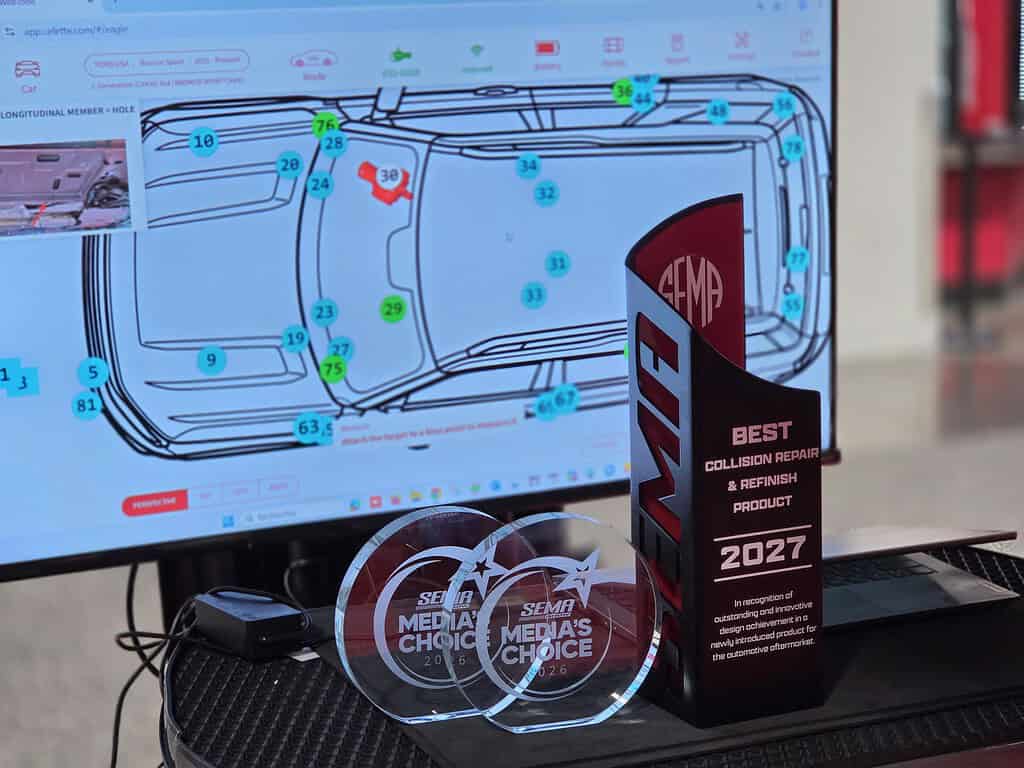
Measuring the vehicle is one of the most critical auto body repair techniques in the entire process. Cars are manufactured to exact dimensions, and even a few millimeters of shift can affect how the vehicle performs in a future crash or whether its safety features work correctly. Electronic or laser measuring systems compare the car’s actual shape to the manufacturer’s original data, producing a precise picture of what has moved and needs correcting. According to IIHS, automakers require calibration whenever a sensor is removed, replaced, or reinstalled, making this a necessary step to restore full system functionality after a repair.
Step 4: Straightening the Frame
With the measurement data confirmed, structural correction begins. The car is mounted onto a frame straightening bench and secured at specific anchor points. Hydraulic equipment pulls distorted sections back into position in stages while the measuring system tracks results in real time. Modern vehicles use a mix of steel grades that respond differently under correction, so this stage requires both the right equipment and careful technique.
Step 5: Panel Repair, Welding, Bonding, and Structural Sectioning
Once the frame is confirmed correct, panel work begins. Depending on the damage, technicians will either straighten and reuse a panel or replace it entirely. How those panels are joined back to the vehicle depends on the materials involved and what the manufacturer specifies. The main methods used in professional shops are:
- Welding: The standard method for joining steel panels and structural sections. On high-strength and ultra-high-strength steel, the technique must follow the manufacturer’s approved procedure exactly. Using the wrong heat input can weaken the material even if the weld looks solid.
- Adhesive bonding: Uses structural adhesives to join panels without heat. This prevents the warping and corrosion risk that welding alone can cause, particularly on thin-gauge steel or mixed materials like aluminum and composites.
- Weld bonding: Combines both: adhesive is applied first, then spot welds are made through it. Many OEMs now specify this method because the result is stronger and better sealed than either technique on its own.
- Structural sectioning: Where an entire section of structural material needs to be cut out and replaced rather than repaired. The repaired joints must meet the same strength standard as the original factory construction.
Step 6: Surface Preparation and Refinishing
After structural and panel repairs are signed off, the car moves to paint prep. Surfaces are sanded, primed, and inspected before color is applied. Paint is matched using the vehicle’s factory code so repaired areas blend seamlessly with the rest of the car. Primer and clear coat also protect repaired surfaces from moisture and rust, which matters most where bare metal was exposed during the repair.
Step 7: Reassembly and Safety System Calibration
Reassembly puts every component back to factory spec and after that, the car’s ADAS safety systems need to be recalibrated. Features like automatic emergency braking, lane departure warning, and blind-spot detection depend on sensors being in exactly the right position, and a collision or replaced panel can shift those sensors enough to cause failures that never appear until something goes wrong on the road. IIHS research found that among vehicle owners whose crash avoidance features were repaired due to collision damage, about two-thirds reported issues with those systems afterward, with some needing the same feature repaired more than once. A final diagnostic scan confirms everything before the car is handed back.
The Equipment Behind a Professional Repair
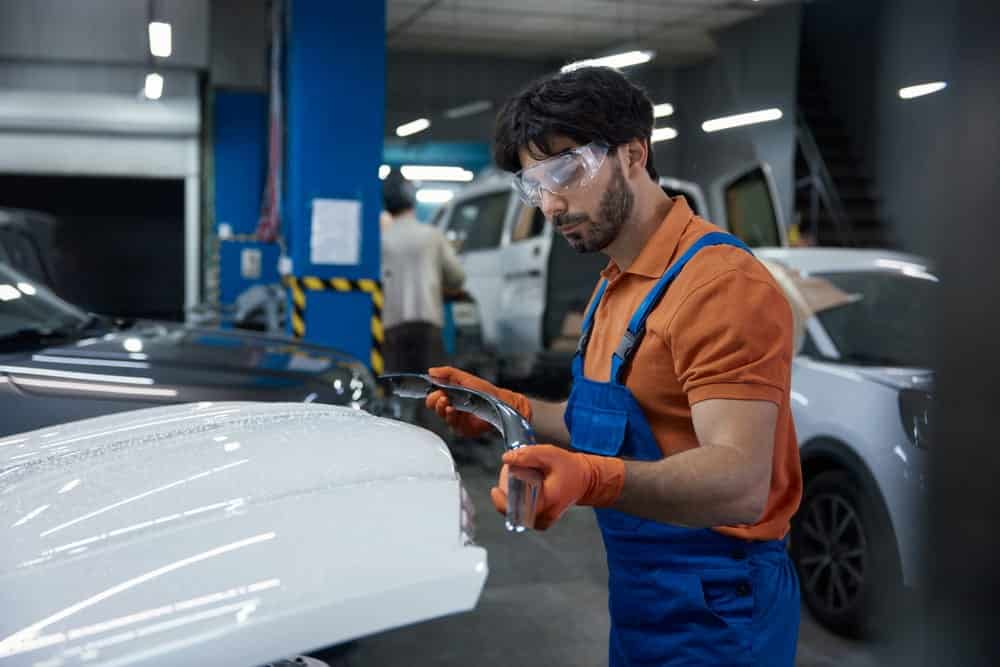
Carrying out these collision repair procedures properly depends on having the right tools at each stage. The essentials a professional shop needs include:
- Frame straightening benches: anchor the vehicle and correct structural distortion
- 3D measuring systems: check dimensions against factory data before and after correction
- Anchoring and clamping systems: hold the car securely during structural pulls
- Dedicated Jig or Universal jig systems: position panels and components accurately
- OEM-approved welding equipment: join high-strength materials correctly
- ADAS calibration tools: reset and verify safety systems after repairs
Bringing It All Together
Every stage connects to the next. Accurate assessment makes disassembly more efficient. Precise measurement makes frame correction more reliable. Proper calibration at the end ensures the car’s safety systems perform as designed. These are not optional extras in the steps of auto body repair. They are the difference between a car that looks repaired and one that actually is.
For collision repair centers worldwide seeking to raise the standard of their structural repair work, Celette provides equipment that supports every stage of the process, from frame straightening machines and universal jig systems to 3D measuring platforms and technical training worldwide. Explore Celette’s range of auto body frame machines for sale, or contact the team at [email protected].
Frequently Asked Questions About Auto Body Repair Procedures
Q: How long does collision repair typically take?
Minor repairs like dents or a bumper replacement usually take one to three days. Repairs involving steps in auto body repair such as frame straightening or multiple panels can take one to three weeks, depending on parts availability and how much hidden damage is found once the car is taken apart.
Q: Can a car be unsafe after a collision repair that looks fine from the outside?
Yes. A repair that restores how a car looks does not guarantee the structure underneath was properly corrected. If the frame is still misaligned or safety sensors were not recalibrated, the car can have serious issues that are completely invisible until something goes wrong on the road. This is why professional auto body repair procedures require both structural measurement and post-repair verification, not just cosmetic restoration.
Q: Does collision repair affect a car’s resale value?
It usually does. Once an accident appears on a vehicle history report, buyers and dealerships factor that into their valuation. Structural or frame damage has the biggest impact, with trade-in offers potentially 30 to 50 percent lower than a comparable undamaged car. Using OEM parts and having documented collision repair procedures on record helps preserve as much value as possible.
Q: What happens if frame damage is not repaired correctly?
The consequences can be serious. Crumple zones may not work as intended in a future crash. Handling and braking can be affected by suspension misalignment. Safety systems that rely on precise sensor positioning may fail to activate. Proper repair procedures automotive technicians follow are specifically designed to prevent these outcomes by verifying structural correction at every stage.
References
- Advanced driver assistance. Retrieved March 25, 2026, from https://www.iihs.org/topics/advanced-driver-assistance
- Crash avoidance features improve safety but complicate repairs. Retrieved March 25, 2026, from https://www.iihs.org/news/detail/crash-avoidance-features-improve-safety-but-complicate-repairs