Key Takeaways
- Celette WebTools AI is a cloud-based software hub that brings Celette’s structural repair software, vehicle database, and compatible measurement tools into one centralized online platform.
- It supports and interconnects multiple systems, including NAJA 3D, Cameleon, and Eagle, plus selected third-party benches, so one software environment drives many tools.
- The platform updates automatically: new vehicle models, structural data, and software improvements are deployed centrally, so workshops in Asia, Europe, or North America all work from the same validated data set.
- It generates digital records for vehicle identification, measurement benchmarks, setup logic, and verification steps, giving shops the traceability that insurers and auditors increasingly require.
- By extending OEM-level data to existing equipment rather than forcing replacement, Celette WebTools AI turns fragmented tools into connected collision repair built on one data logic.
Table of Contents
In today’s collision repair industry, precision is no longer a competitive advantage — it is a requirement. Vehicle structures have become lighter, stronger, and significantly more complex. Mixed materials, high-strength steels, aluminum architectures, bonded assemblies, and [electric vehicle platforms] have transformed structural repair into a discipline that resembles engineering more than traditional bodywork.
At the same time, workshops face growing pressure from OEMs, insurers, and regulatory bodies to demonstrate process compliance, measurement accuracy, and digital traceability. Hardware alone cannot meet these expectations. What defines repair quality today is data, software logic, and the ability to manage information consistently across tools and systems. This is the context in which Celette WebTools AI was developed, not as a single application, but as a centralized online platform where all Celette structural repair software, databases, and compatible measurement tools converge. At its core sits an AI auto repair database platform that keeps every connected tool working from the same validated data.
Video of the system in action:
From Isolated Software to a Centralized Online Platform
Historically, body shops relied on standalone software tied to specific hardware: a measuring system, a bench, or a jig platform. Updates were manual. Databases vary in completeness. Compatibility between tools was limited. As vehicle complexity increased, this fragmented approach became a bottleneck.
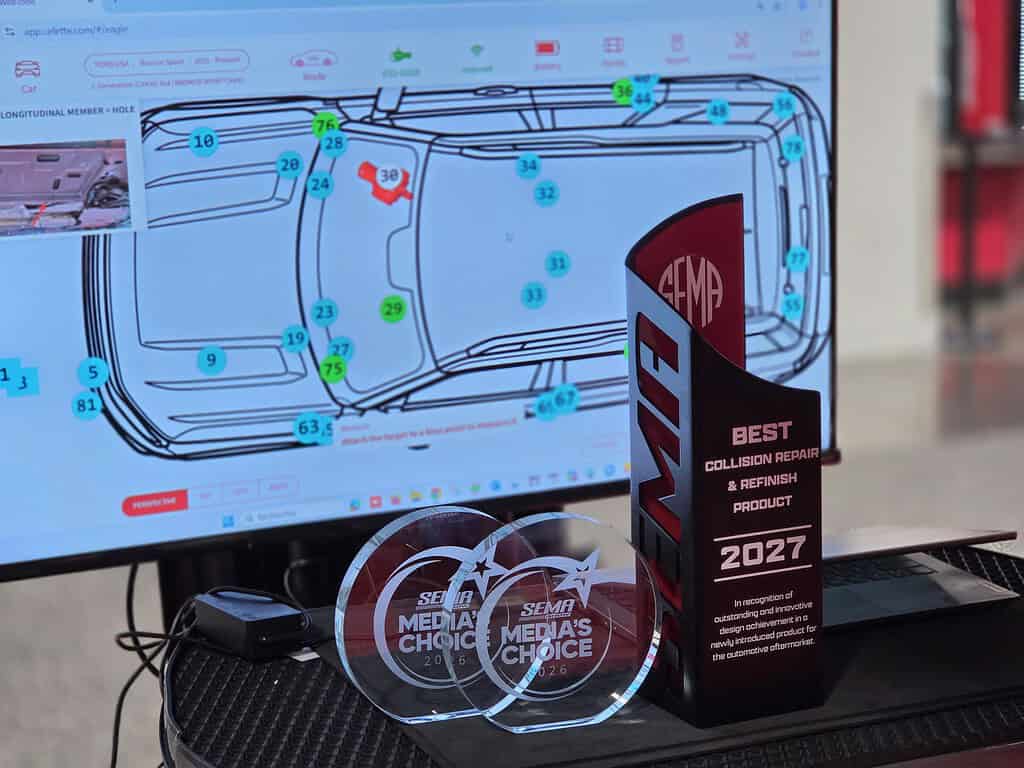
Celette WebTools AI addresses this challenge by functioning as a cloud-based software hub. Instead of installing and maintaining multiple local applications, workshops access a single online environment that hosts:
- Software for Celette measuring and fixture systems
- A continuously updated structural vehicle database
- Compatibility layers for selected third-party benches and gauges
- Digital documentation and reporting tools
All updates — software logic, vehicle data, and system enhancements — are automated and centralized, ensuring that users always work with the most current information.
One Platform, Multiple Systems
Celette WebTools AI is not limited to a single product line. It is designed to support and interconnect multiple repair technologies within the same digital ecosystem, including:
NAJA 3D – Measuring System
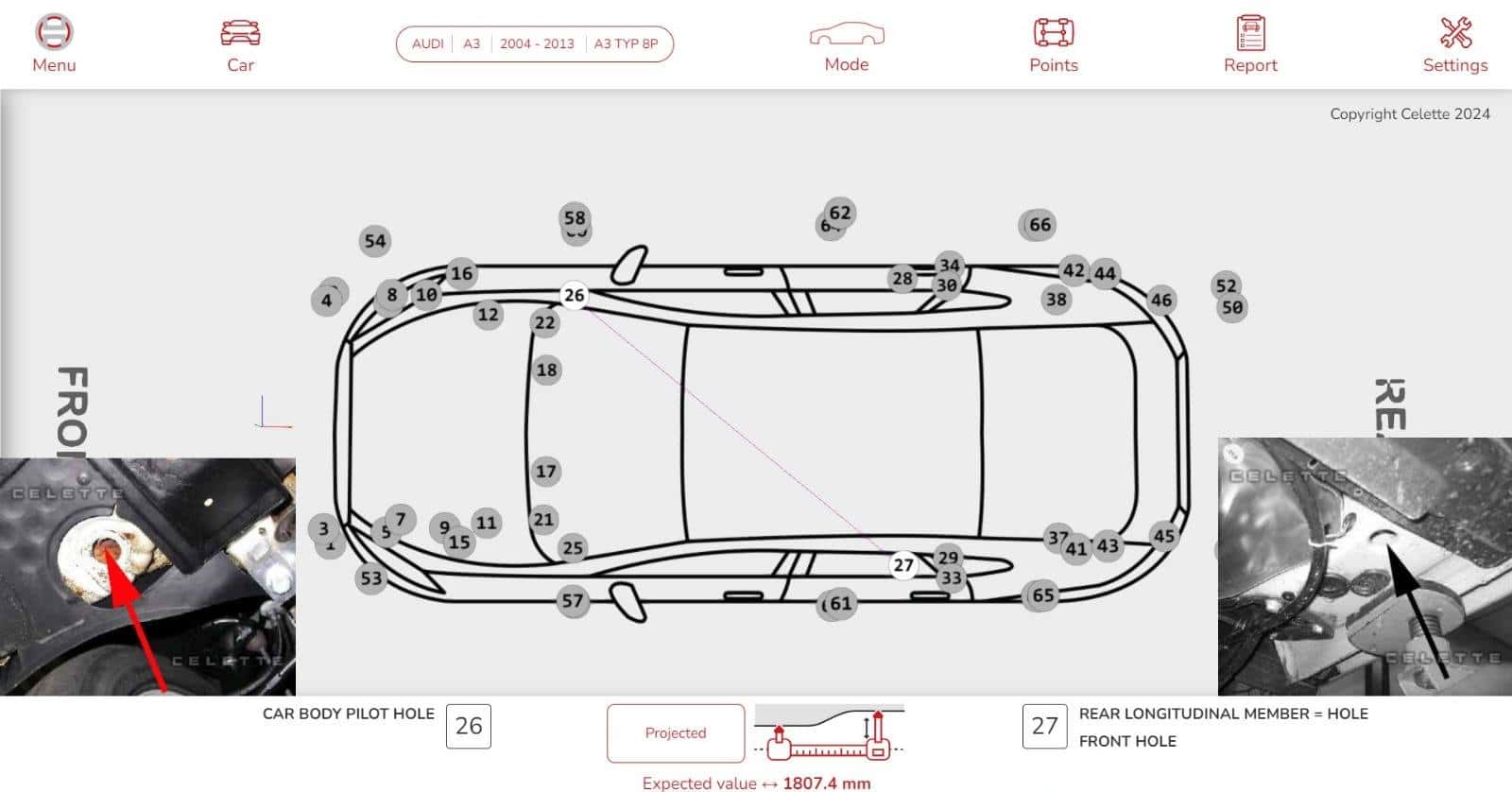
WebTools AI serves as the software backbone for NAJA3D, providing access to validated reference points, structural dimensions, and visual guidance. Measurement workflows are synchronized with the central database, eliminating discrepancies between local
CAMELEON – Universal Jig System
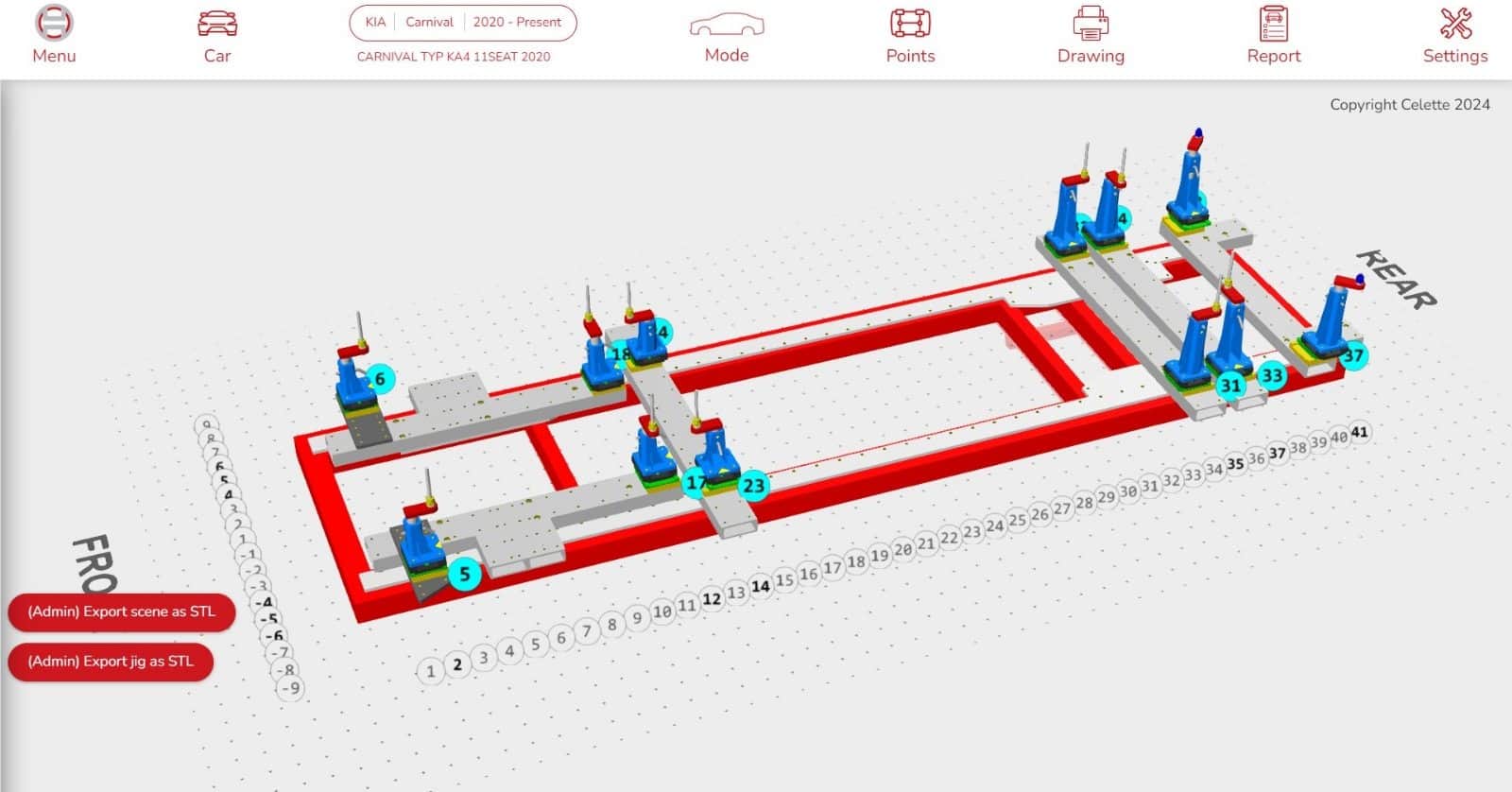
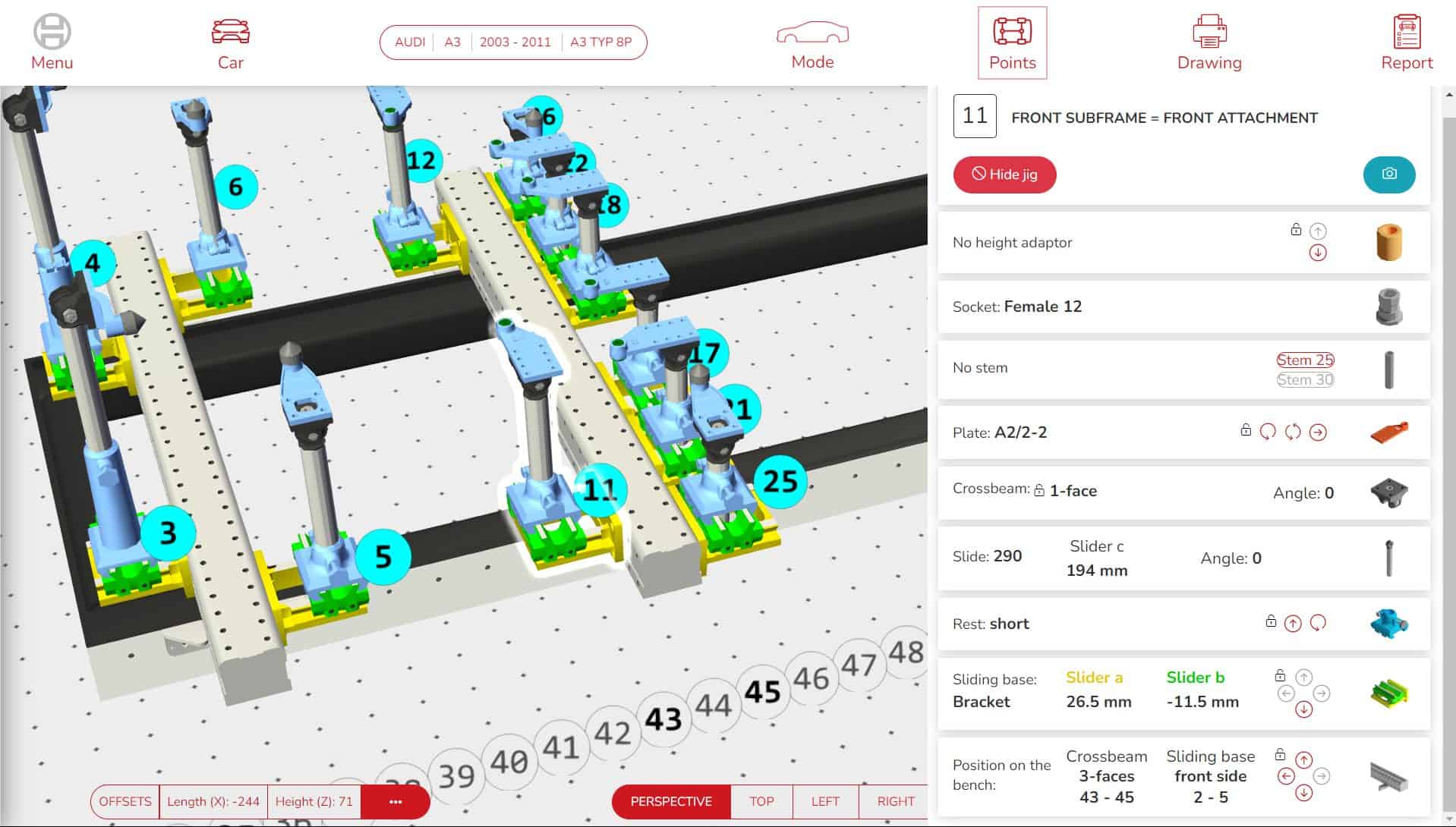
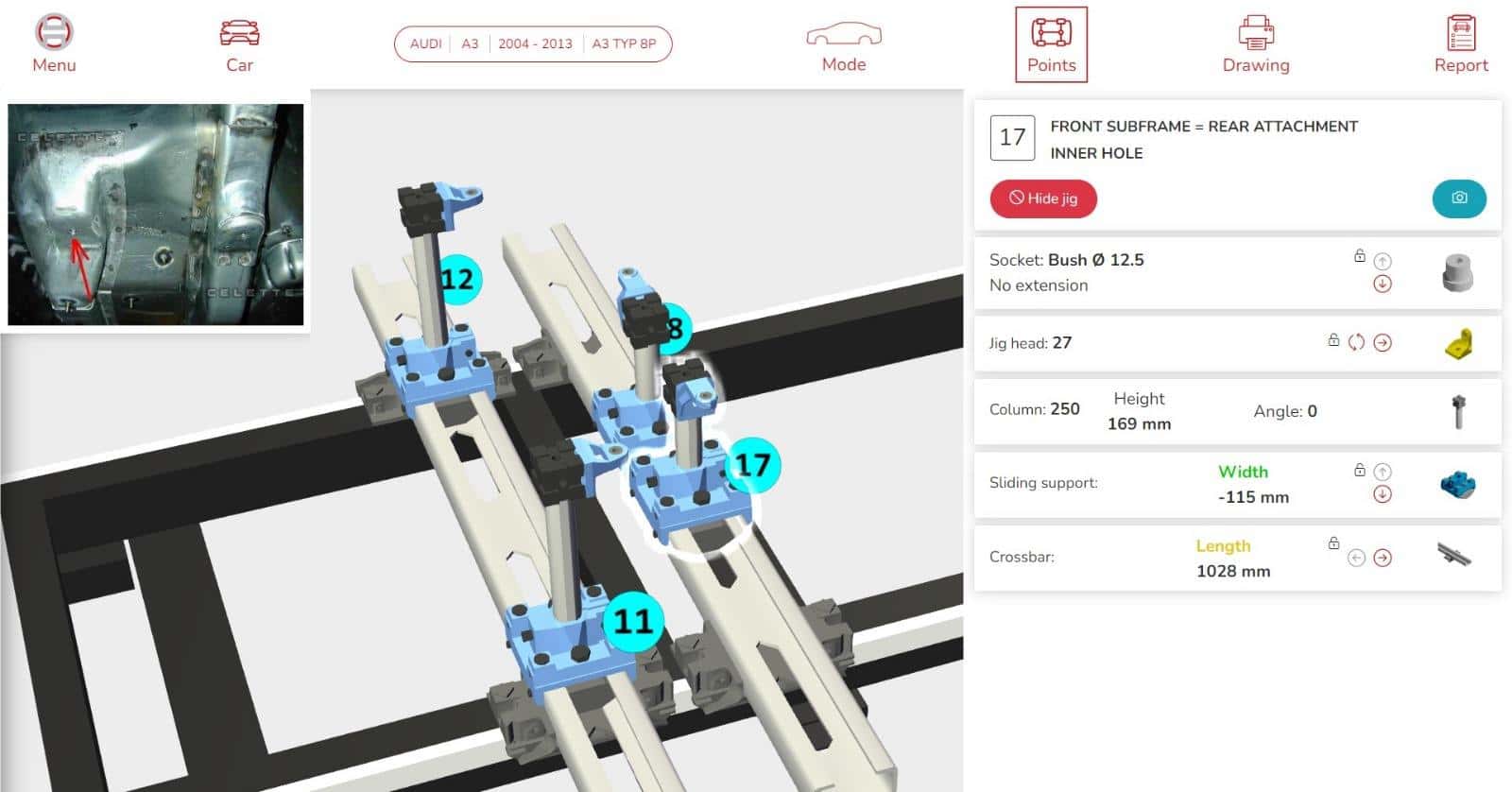
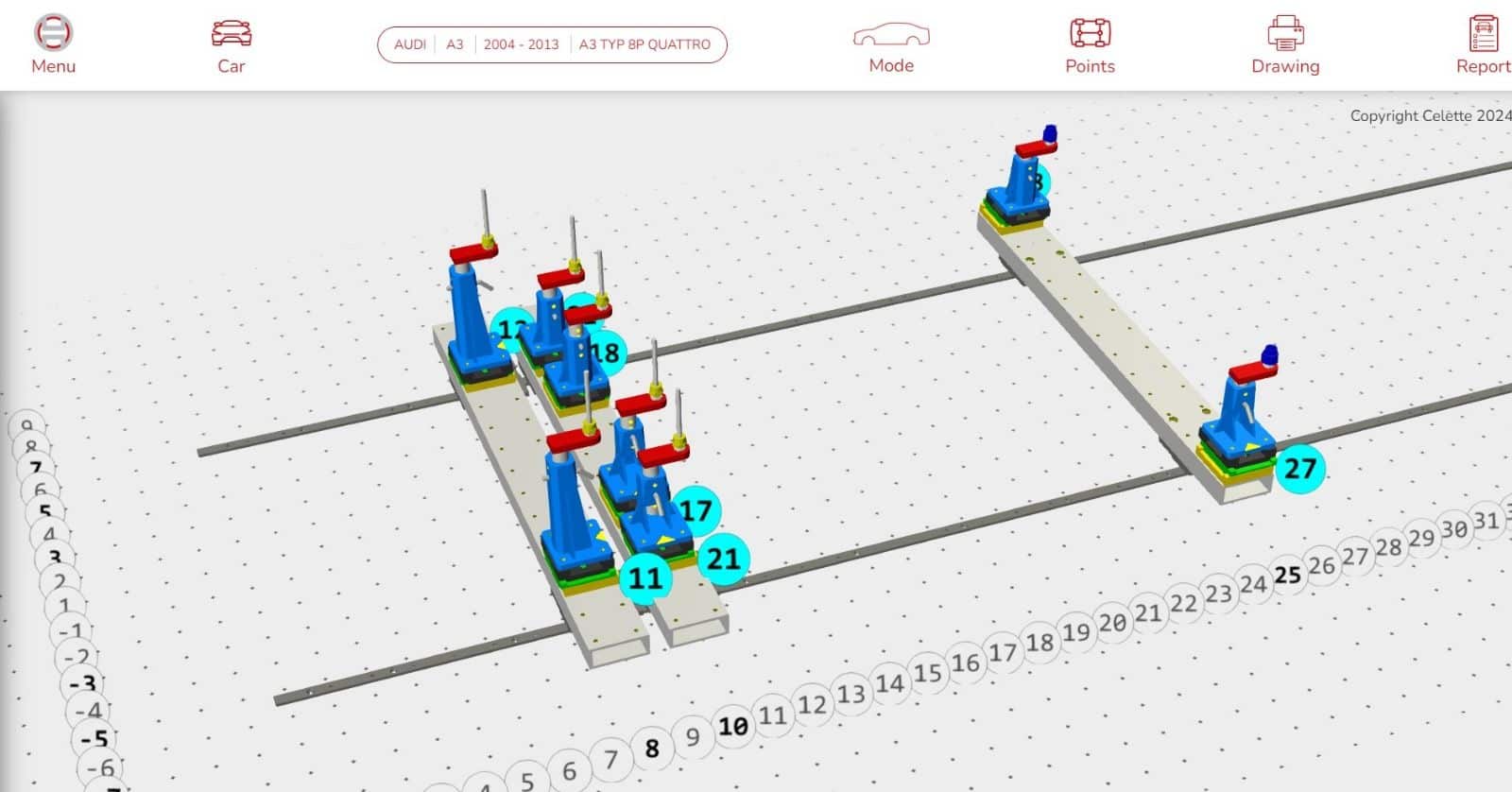
Celette Cameleon software is fully integrated into WebTools AI, allowing technicians to configure modular jig setups using verified structural references. The platform translates vehicle-specific data into clear, step-by-step positioning instructions.
EAGLE – measuring system
Celette Eagle is an electronic measuring system designed for fast, accurate verification of vehicle structures. Integrated into WebTools AI, it provides direct access to validated reference points, guided measurement logic, and automated reporting — ensuring repeatable accuracy, clear documentation, and consistent results across technicians and repair jobs.
Compatibility with Selected Third-Party Benches
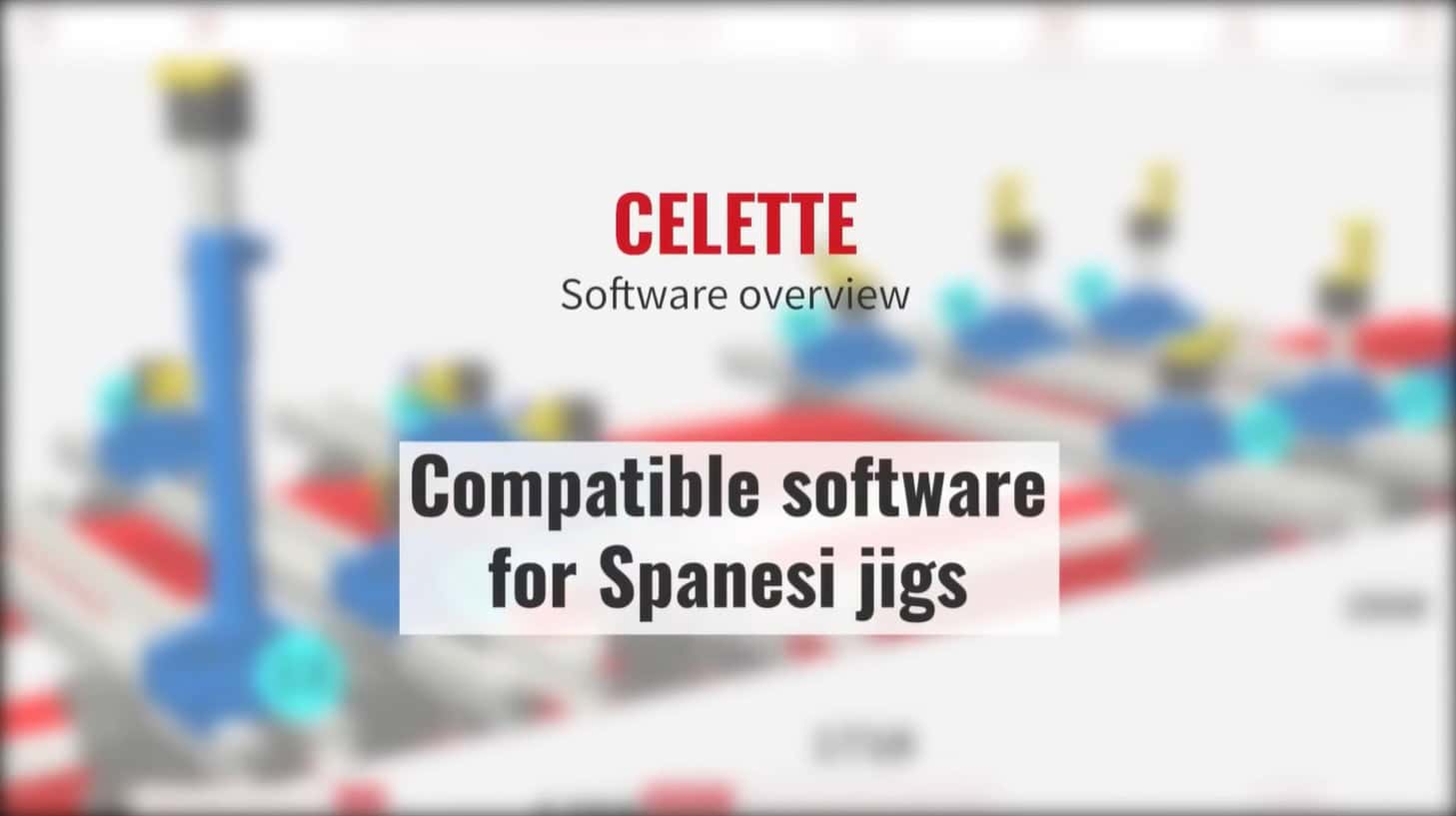
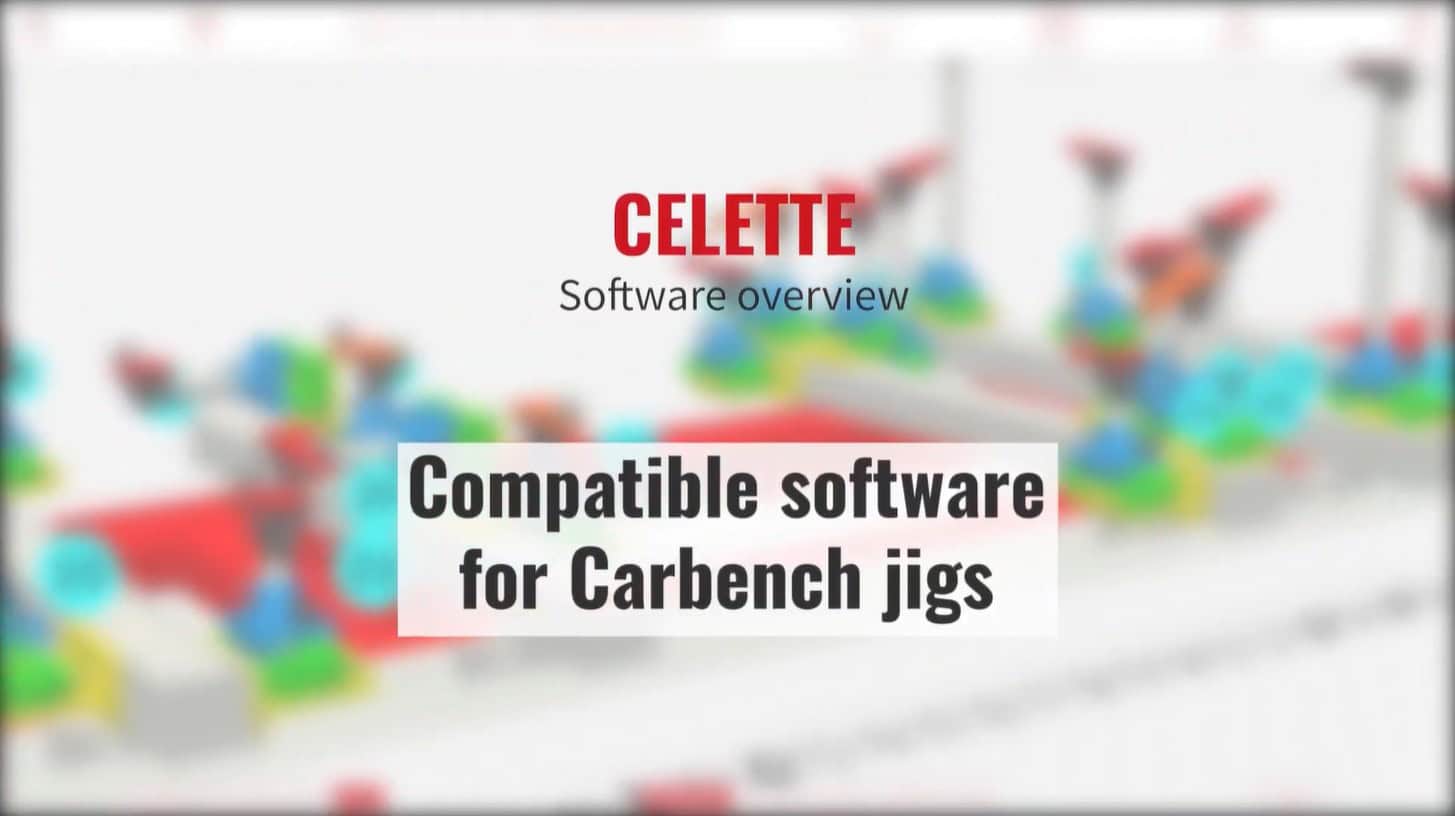
WebTools AI is not limited to Celette hardware. The platform supports software compatibility with selected third-party benches available on the market, allowing workshops to access Celette’s validated structural data and software logic without changing their existing repair infrastructure.
𝐂𝐨𝐦𝐩𝐚𝐭𝐢𝐛𝐢𝐥𝐢𝐭𝐲 𝐰𝐢𝐭𝐡 𝐓𝐡𝐢𝐫𝐝-𝐏𝐚𝐫𝐭𝐲 𝐁𝐞𝐧𝐜𝐡𝐞𝐬

4:09
4:10
4:09
Compatibility with Third-Party Benches
In addition, CAMELEON adapter is available for use on certain non-Celette benches, enabling accurate fixture positioning of Cameleon system and seamless integration with the WebTools AI environment — extending OEM-level guidance to a wider range of bench systems.
CAMELEON adapter video:
Automated Database and Software Updates
One of the advantages of Celette WebTools AI is its fully automated update model.
Traditional repair software often depends on:
- Periodic manual updates
- Region-specific data gaps
- Delays in new model availability
WebTools AI removes these limitations. Because the platform is cloud-based:
- New vehicle models are added centrally
- Structural updates are deployed instantly
- Software improvements are applied globally
- No local IT intervention is required
This ensures that a workshop accessing WebTools AI in Asia, Europe, or North America works from the same validated data set, aligned with the latest available repair information.
The Role of Data in Structural Accuracy
Hardware accuracy means little without correct reference data. A fixture, bench, or measuring system can only perform as well as the information guiding it.
Celette WebTools AI is built on decades of OEM collaboration and structural validation work. The platform provides access to:
- Manufacturer-approved structural reference points
- Model-specific repair logic
- Dimensional tolerances aligned with modern vehicle requirements
- Support for complex architectures, including EV platforms
This data is not static. It evolves alongside vehicle design — and WebTools AI ensures that this evolution reaches the workshop floor without delay.
Digital Traceability and Documentation
Beyond physical alignment, modern repairs require documented proof of process.
Celette WebTools AI automatically generates digital records that may include:
- Vehicle identification and reference selection
- Measurement benchmarks and tolerances
- Setup logic and fixture configuration
- Technician actions and verification steps
These records improve internal quality control and provide transparent documentation for insurers, auditors, and repair networks. In an environment where claim validation and compliance audits are becoming stricter, this level of traceability is no longer optional.
Designed for Daily Workshop Reality
While the platform is technically sophisticated, WebTools AI is designed for practical workshop use:
- Accessible from any internet-connected device
- No software installation required
- Multi-user access with centralized control
- Consistent interface across systems
This reduces training time, limits user error, and allows workshops to scale digital processes without increasing administrative complexity.
Interoperability as a Strategic Advantage
The collision repair industry is moving away from closed ecosystems. No single hardware solution can address every repair scenario, every vehicle architecture, or every regional requirement.
Celette WebTools AI reflects this reality by embracing interoperability:
- One software environment
- Multiple measurement and fixture systems
- Unified data logic
- Consistent repair methodology
Rather than forcing workshops to replace equipment, the platform extends the value of existing investments by connecting them to a higher level of digital intelligence.
Conclusion
Celette WebTools AI is not simply a database or a companion application. It is a unified online software platform that connects structural repair data, measurement systems, and workshop workflows into a single, continuously updated ecosystem.
By supporting NAJA 3D, Cameleon, Eagle, Tram gauges, and selected third-party benches — all through one cloud-based interface — the platform removes fragmentation and replaces it with consistency, accuracy, and digital control.
In a repair landscape defined by complexity and accountability, Celette WebTools AI represents a shift from isolated tools to a data-driven and connected collision repair.
Frequently Asked Questions About Celette WebTools AI
Q: What is Celette WebTools AI?
A: Celette WebTools AI is a centralized, cloud-based online platform that brings together Celette’s structural repair software, a continuously updated vehicle database, and compatible measurement tools. Rather than a single application, it is a unified ecosystem for modern structural repair.
Q: Which Celette systems does the platform support?
A: The platform supports and interconnects multiple repair technologies within one digital ecosystem, including NAJA 3D (measuring system), Cameleon (universal jig system), and Eagle (electronic measuring system), as well as tram gauges and selected third-party benches.
Q: Do I need to replace my existing equipment to use it?
A: No. Celette WebTools AI is not limited to Celette hardware. It supports software compatibility with selected third-party benches, and a Cameleon adapter is available for certain non-Celette benches, so workshops can access Celette’s validated structural data without changing their existing repair infrastructure.
Q: How are vehicle data and software kept up to date?
A: The platform uses a fully automated, cloud-based update model. New vehicle models are added centrally, structural updates are deployed instantly, and software improvements are applied globally, with no local IT intervention required. This supports consistent, connected collision repair across regions.
Q: What documentation does the platform produce?
A: Celette WebTools AI automatically generates digital records that may include vehicle identification and reference selection, measurement benchmarks and tolerances, setup logic and fixture configuration, and technician actions and verification steps. These support internal quality control and provide transparent documentation for insurers, auditors, and repair networks.
Q: What hardware or installation do I need to access it?
A: The platform is designed for practical workshop use. It is accessible from any internet-connected device, requires no software installation, and offers multi-user access with centralized control and a consistent interface across systems, which reduces training time and user error.